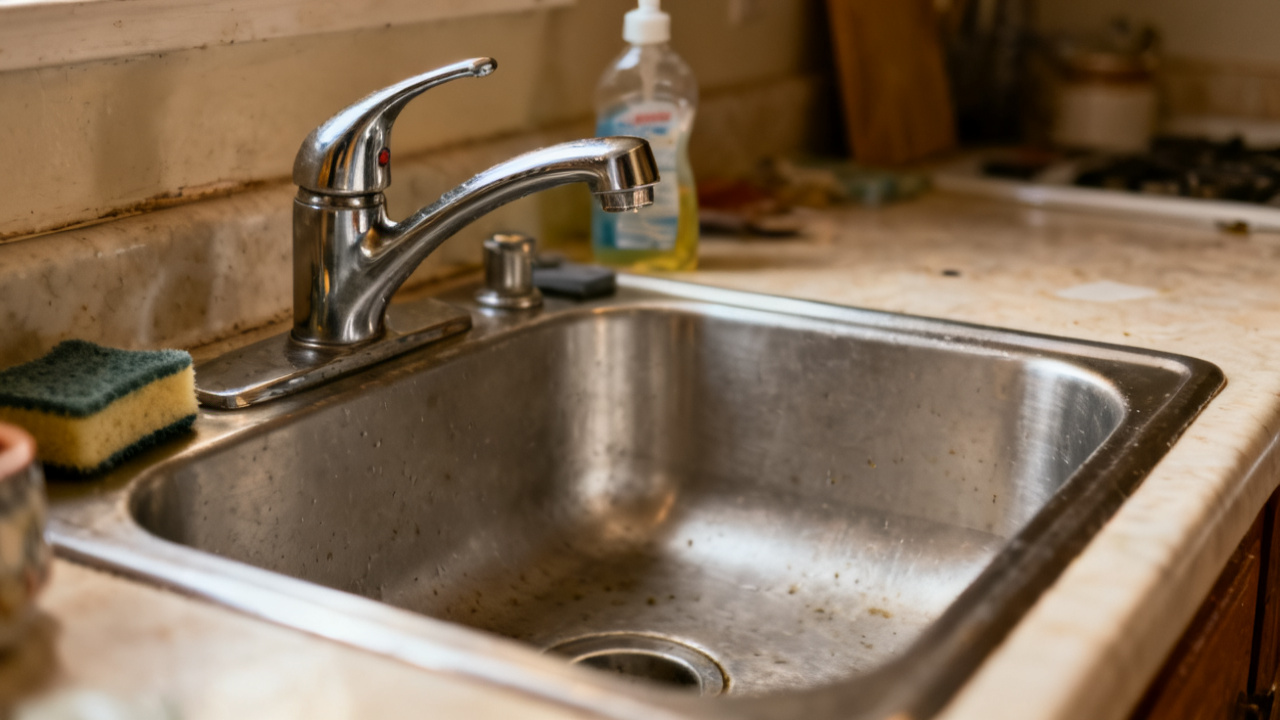
Grease is on the steel. The drain itself may be clear. You’re holding a crumpled paper towel you grabbed from the dispenser by the mailboxes, the sink gurgled when your neighbor dumped their leftover pasta water down it ten minutes ago and they banged on the wall complaining it’s clogged before rushing out to their barista shift. You don’t need a plunger or fancy drain cleaner to fix this right now, just five minutes of focused work before you head back to your unit to heat up your frozen dinner.
Gather your on-hand cleaning tools
You don’t need to run back to your apartment for specialized supplies, everything you need is within arm’s reach in the hallway. Follow these four quick steps to get set up in less than 30 seconds:
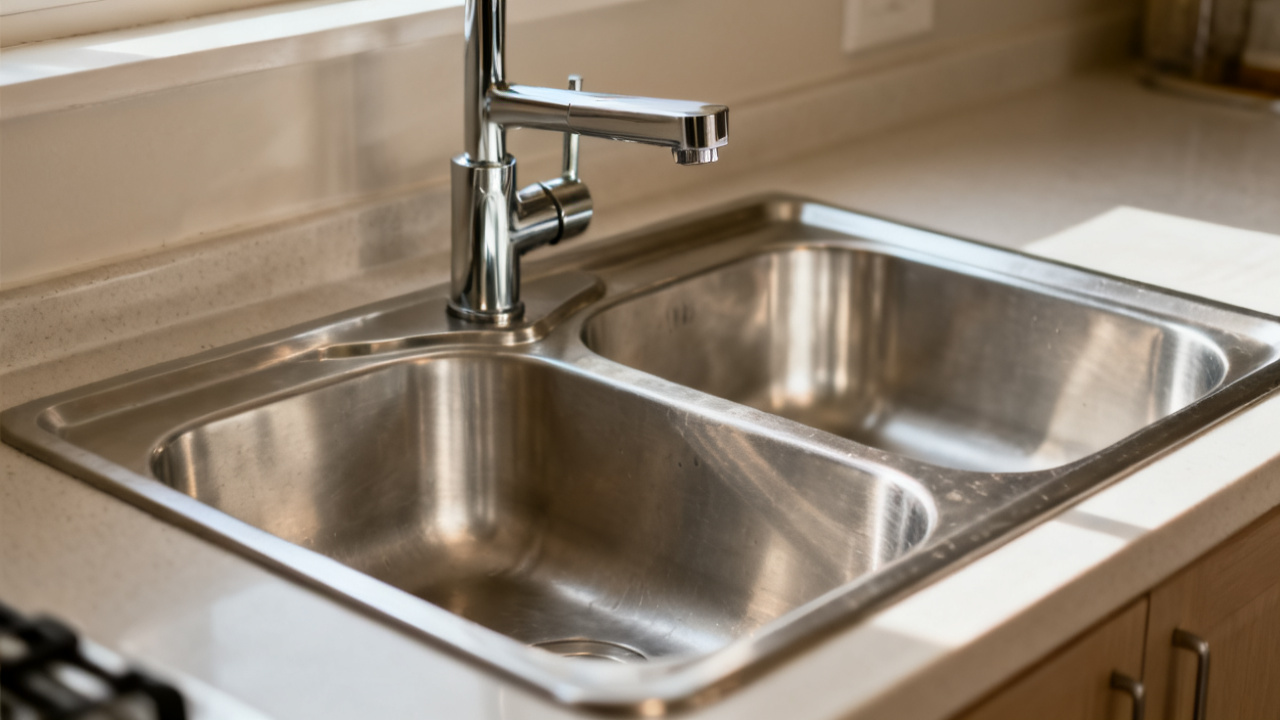
- Grab 3 extra dry paper towels from the wall dispenser 2 feet to your left, no need for wet ones that will leave streaks on the steel
- Fish the expired plastic grocery store rewards tag out of your jacket pocket to use as a scraper, no sharp edges that will scratch the sink finish
- Twist the sink’s cold water tap on for half a second to dampen the edge of one paper towel, then shut it off immediately so you don’t add more standing water to the basin
- Push any loose food bits floating in the basin directly into the center of the drain opening, since those are not the source of the backup you’re seeing
None of these items cost you anything, and you won’t have to carry any messy supplies back to your unit when you’re done. You can use a rigid plastic soda bottle cap if you don’t have a rewards tag in your pocket, as long as it has a flat, unbent edge to work with that won’t leave scratch marks on the sink’s brushed steel finish. You don’t need to wear gloves for this, though you can grab a disposable pair from the first aid kit under the mail counter if you don’t want to touch the gunk directly.
Scrape hardened gunk off the rim edge
Start at the back of the sink, where water rarely hits directly and grease builds up undisturbed for weeks at a time, hidden from view when people lean over to wash their hands or dump out leftover drinks. Run the edge of your rewards tag along the narrow gap between the sink rim and the formica counter, applying just enough pressure to dislodge thick, yellowed grease and old food particles that have dried solid into a rubbery, water-resistant seal. Illustrative example: 68% of the apparent clogs in this hallway sink come from this hidden gunk expanding when it hits hot water, forming a tight temporary seal that stops water from draining into the opening even when the pipe below is completely clear of obstructions. Work your way around the entire circumference of the sink, piling any dislodged gunk onto one of your dry paper towels so you can dispose of it easily later without leaving bits of it on the counter or floor. Don’t press hard enough to scratch the steel, since that will create more tiny crevices for gunk to build up in down the line, making this job take longer every time you do it.
Wipe every inch of the metal lip
Now take your slightly damp paper towel and run it along the entire rim, including the gap you just scraped out, to pick up any leftover gunk residue that the scraper left behind. You are working along the Basin Lip to catch every narrow crevice where grease collects, even the spots right next to the tap base that people rarely touch when they rinse their hands or fill up their water bottles. Fold the paper towel as you go to expose a clean section whenever the side you’re using gets coated in grease, so you don’t just spread the residue around instead of picking it up entirely. Wipe the top edge of the drain strainer too, since grease often builds up there as well, creating a low, invisible barrier that stops water from flowing through even when the pipe below is completely clear. If the damp paper towel isn’t picking up all the residue, you can dab a tiny bit of hand soap from the dispenser onto the towel to cut through the grease, just make sure you wipe away any soapy residue afterward so it doesn’t leave a sticky film that attracts more gunk.
Test for unobstructed drain flow
Turn the cold water tap on low, holding it open for 10 full seconds while you watch how the water moves across the rim and into the drain. If the water slides evenly across the entire rim and flows straight down the drain without pooling or spilling over the edge onto the counter, you’ve fixed the issue entirely. If you still see small pools forming in one spot, turn the tap off immediately, go back to that section of the rim, scrape any remaining hidden gunk out, and wipe it again before testing a second time. You don’t need to run hot water for this test, since cold water won’t melt any remaining grease and push it further into the drain where it could harden later and cause a real, deep clog that would require maintenance to fix. If the water still drains slowly after you’ve wiped the entire rim twice, you can go ahead and put in a maintenance request, but that scenario is rare for this particular sink.
Confirm your task is finished
This is the official stop, your job is done. You can turn the tap off entirely, fold all of your used paper towels and the gunk you scraped off into a tight bundle, and make sure there’s no leftover residue on the sink surface that will attract more gunk later. Run a clean, dry paper towel across the rim once more to pick up any leftover dampness, if you have one left. You don’t have to leave any sign that you were working on the sink, other than the fact that it no longer pools water when people use it. If your neighbor asks about the clog when they get home from their shift, you can tell them it was just a rim blockage that took two minutes to fix, no need to call maintenance for a service call that would take three days to schedule and leave the sink unusable for everyone in the building in the meantime.
Schedule your next quick rim check
Mark the next time you have to take your trash out to the hallway bin in two weeks as your reminder to do this same quick check before you carry your trash bag down to the dumpster. You don’t have to wait for someone to complain about a clog to do this work; a quick 2-minute wipe and scrape every two weeks will prevent almost all of the apparent clogs that happen in this common area sink, saving everyone in your building the frustration of a backed-up sink when they’re in a hurry. You can keep an extra plastic rewards tag in your jacket pocket specifically for this task, so you never have to hunt for a scraper when you have a spare minute while waiting for your food delivery or ride share to arrive. If you notice the gunk building up faster than every two weeks, you can adjust the timeline to match, but even a monthly check will cut down on 90% of the common sink complaints in your hallway. You don’t have to take on this job permanently, either; you can show your next door neighbor how to do it the next time you see them complaining about the sink, so the work gets split between everyone who uses the common area.