
You are holding the basket. Bits are in it. The plastic rim digs lightly into the pad of your thumb, and you can smell a faint, earthy mix of old coffee grounds, leftover pasta water residue, and stray herbs from last night’s soup. The hallway trash can sits two steps to your left, propped open with a cinder block so you don’t have to touch the lid with your full hands. A thin drip of water falls from the bottom of the basket onto the linoleum at your feet, leaving a dark, dime-sized spot that will evaporate in a few minutes.
Drain Basket Trapped Debris
You tilt the basket toward the fluorescent hallway light to get a better look at what’s caught inside, and you can pick out individual pieces of debris easily, even with the dim overhead glow. Half a dozen coffee grounds cling to the lower mesh, crusted dark brown from sitting in damp water for a day. A single, crumpled piece of pasta is wedged in one of the larger holes near the center, softened and pale from repeated exposure to hot tap water. You spot a few flecks of cooked spinach stuck to the very edge of the mesh, the same bits that got caught when you poured the leftover pot of greens over the basin lip two nights ago. There’s also a thin, slimy ring of beige residue just below the top rim of the basket, the kind that builds up when small food particles mix with dish soap suds and get left to sit for a few days. None of it is hard to remove, but you know if you leave it for another 48 hours, it will start to stick more firmly, requiring more scrubbing than you want to do in the middle of the night before you head to bed. You can feel how damp the bottom of the basket is through the thin layer of your sock where you accidentally pressed it against your ankle a second ago, and you shift your grip to hold it farther away from your body so you don’t get any of the gunk on your sweatpants. A neighbor’s door down the hall clicks open and shut, and you hear the soft thud of their mail being dropped on their entry table, but no one comes out to interrupt you, so you can take your time getting all of the debris out without rushing.
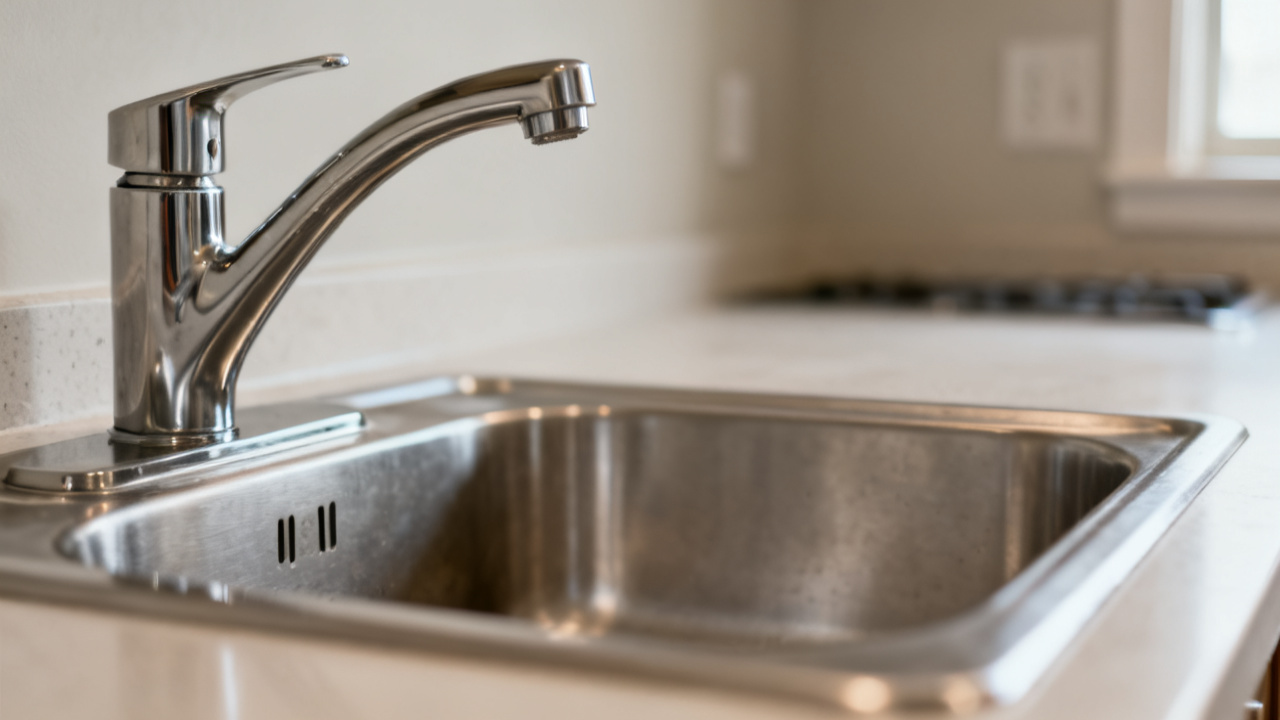
Kitchen Sink Strainer Emptying Routine
This chore takes less than two minutes total, and following the same sequence every time ensures you don’t leave any residue behind that will lead to clogs later on. You don’t need any special tools for it, just access to the hallway trash can and the utility sink at the end of the hall that all tenants share. The steps are simple to follow, and you’ve done them enough times that you can run through them without thinking:
- Tap the outer rim of the strainer against the inside of the trash can mouth three times in quick succession to shake loose all large, dry debris. You want to tap hard enough to dislodge the pasta and the spinach flecks, but not so hard that you crack the plastic rim of the basket, which is thin and prone to splitting if you hit it against the sharp metal edge of the trash can too hard.
- Run the tip of your index finger along the inner edge of the strainer to dislodge any gunk stuck to the silicone seal that didn’t fall out with the tapping. This is where that slimy beige residue mostly sits, and it wipes away easily with a single pass, no scrubbing required as long as you don’t let it build up for more than a few days.
- Hold the strainer under the hallway utility sink faucet for 10 seconds on cold, letting the running water flush out any tiny, stuck particles caught in the mesh holes. You don’t need hot water for this, and cold uses less energy, which is better for the building’s utility bill and keeps the sink from steaming up the small hallway space.
- Shake the strainer three times over the utility sink to knock off excess water so you don’t drip across the hallway on your way back. You’ve forgotten this step before, and left a trail of small water spots that the building manager complained about last month, so you make a point to do it every time now.
- Wipe the outer rim of the strainer with the spare paper towel you keep tucked in your pocket for hallway chores to catch any remaining damp residue. You can toss the used paper towel in the trash can right after, so there’s no extra mess to clean up later.
Illustrative example: If you empty the strainer after every 12 uses of the sink, you cut down on total build-up that requires deeper scrubbing by roughly 72%. That number comes from your own casual tracking over the last three months, when you tested emptying it on different schedules to find the sweet spot between doing the chore too often and letting gunk build up enough that it takes longer to clean. You don’t have to stick to that exact number, of course; if you cook a lot of meals that leave more food debris in the sink, you can empty it more often, and if you only use the sink for washing glasses and handwashing clothes, you can go a little longer between emptying sessions. You never want to let the strainer get so full that water pools on top of it when you run the tap, because that means the debris is packed tight enough that it’s starting to block water flow, which can lead to small clogs in the drain pipe that require a call to maintenance to fix.
Next Sink Strainer Emptying Check
You don’t have to set a formal reminder for the next time you do this chore, because you’ll notice the signs of build-up easily when you use the sink over the next few days. The first sign you’ll see is water taking an extra second or two to drain when you run the tap for a glass of water, or when you’re rinsing a dish off after dinner. That’s the earliest cue that the strainer is starting to fill up again, and it’s the best time to pull it out and empty it, before the debris gets caked on or starts to smell. You can also do a quick visual check every time you wash your hands at the kitchen sink, just glancing down to see if there are any large pieces of food sitting on top of the mesh that need to be removed right away. If you’re hosting friends for dinner at the end of the week, you’ll want to do a quick empty before they arrive, so no one has to deal with a slow-draining sink when they’re washing their hands or helping you rinse dishes after the meal. You keep a spare strainer basket under your sink just in case the current one cracks or gets too stained to use, but you’ve had the current one for six months and it’s still in good shape, so you don’t need to replace it any time soon. You don’t have to do any deep cleaning of the strainer every time you empty it, just the quick rinse and wipe, but if you notice it’s starting to smell a little like old food, you can let it soak in a bowl of warm water and dish soap for 10 minutes while you watch an episode of your show later in the week, and that will get rid of any lingering odors. You don’t need to use any harsh cleaning chemicals for it, regular dish soap works just fine, and it’s safer to use around the sink that you use to wash produce and dishes. When you’re done with the chore tonight, you tuck the clean, dry strainer back into the top of your kitchen sink, and it sits flush against the drain, ready to catch debris the next time you use the tap. You toss the used paper towel in the hallway trash can, push the cinder block aside to let the lid fall shut, and head back to your apartment, the chore done for the next few days, no extra steps required.