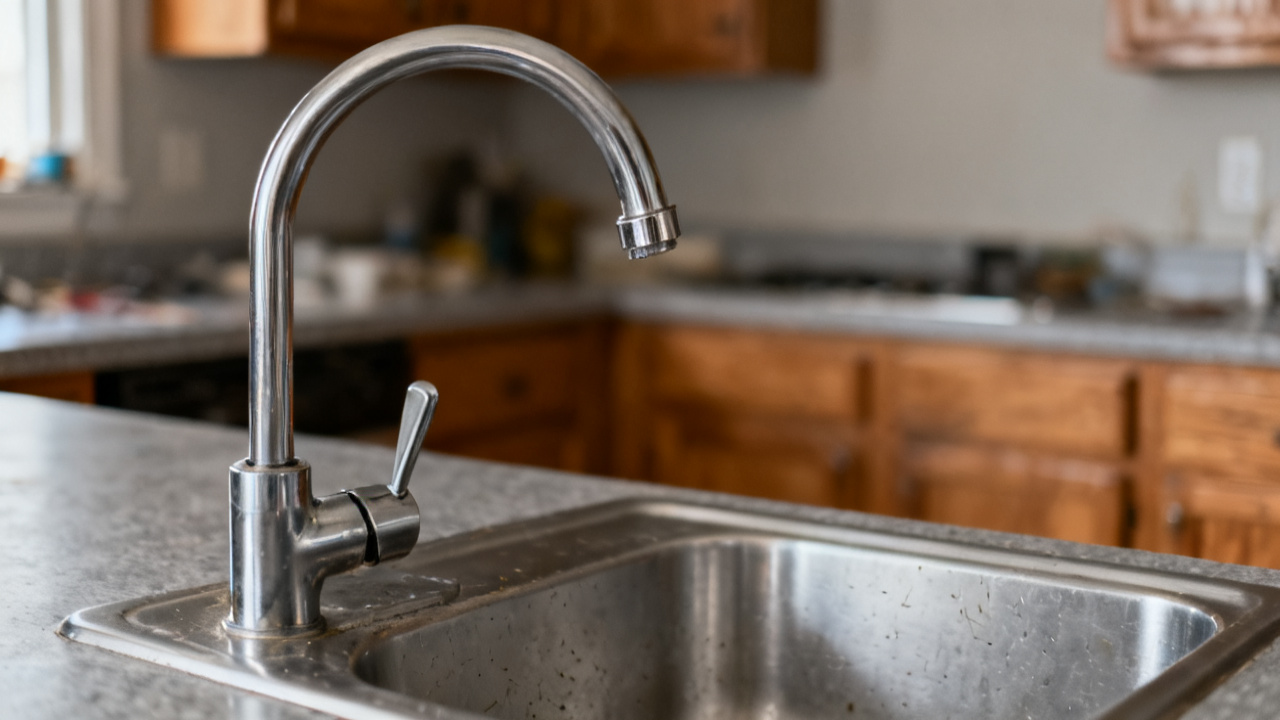
A white ring is forming. You still have the cloth. You’re propped against the apartment hallway wall outside your unit, half turned toward the small utility basin just outside the mail nook. The soapy runoff from washing your reusable grocery bags left the thin film spread across its edge ten minutes ago, and you’d almost forgotten to circle back before heading inside for the night. The overhead hallway light glints off the damp patch, so you know it’s still soft enough to wipe away without scrubbing.
Damp microfiber cloth
You grip the folded cloth, which you left draped over the basin’s faucet after you finished rinsing your bags to avoid tracking drips across the carpeted hallway. It’s still damp enough to cut through the soap without leaving streaks, no extra cleaning spray required. You’d grabbed it from your cleaning caddy earlier specifically for this exact follow-up task, since paper towels would leave tiny lint flecks stuck to the wet soap that would harden into the surface too. You’ve had this pack of lint-free microfiber cloths for three months, and you keep a stack of them by your front door specifically for quick hallway cleanup tasks like this, so you never have to run back inside to grab supplies if you notice a mess when you’re coming or going.
Semi-wet soap film
The film is made of a mix of lavender dish soap and the faint food residue from the bottom of your produce bags, spread thin enough that you can barely feel it if you run a finger an inch above the surface. It doesn’t smell like much right now, but if it dries fully, it will attract dust and tiny hallway debris that sticks to its sticky base, making it far harder to remove later. You’ve made the mistake of letting this exact same soap film dry before, a few weeks ago when you got distracted by a text from your roommate asking you to pick up takeout on your way in, and you ended up spending 15 minutes scrubbing the ring with a soft sponge the next day to get it off, so you’re making a point not to repeat that mistake tonight. Illustrative example: 72 minutes of exposure to the consistent low airflow from the hallway HVAC vent above the basin can make the film crust over enough to leave a faint permanent mark even after heavy scrubbing. To wipe the film properly, follow these simple steps:
- Press the edge of the cloth flat to the outermost edge of the soap film, using light, even pressure to avoid pushing excess soap down into the basin’s drain gap where it can build up over time.
- Drag the cloth in slow, overlapping arcs toward the center of the basin edge, making sure you cover every bit of the visible white ring and the half-transparent film extending half an inch beyond it that’s too thin to see from a distance.
- Flip the cloth to its dry side when the wet side starts to feel slippery with lather, and buff the entire surface once to catch any leftover thin soap streaks you missed on the first pass.
- Run a single clean finger along the edge to check for any remaining slick spots, and wipe those small areas again if you feel any residue under your fingertip.
Silicone basin edge
This basin is made of matte white silicone, so it scratches easily if you scrub too hard with an abrasive sponge, which is why you only use soft microfiber cloths for any cleanup on its surface. The basin lip sits just high enough that soapy water rarely spills over onto the hallway floor, but it’s wide enough that runoff from rinsed items often pools along its top edge if you don’t wipe it up quickly. You make a point to avoid letting any soap sit on this surface for long, since the matte finish absorbs stains far faster than glossy porcelain or plastic does, and stained common area surfaces often lead to unnecessary maintenance fees passed along to all residents in the building. You also avoid using any scented cleaning sprays on this surface, since some neighbors in the building have scent sensitivities, and plain water or a tiny bit of gentle dish soap is enough for most cleanup jobs here anyway.
Wiped clean surface
You pull your hand back after the final buff, and hold your phone’s flashlight a few inches above the edge to check for any leftover streaks. There are none, the matte silicone looks even and free of any white film or lint flecks. The job is done, and you don’t have to worry about coming back to a crusted, hard-to-clean ring tomorrow when you head down to get your mail. No scrubbing required, no extra products used, just the five minutes you took to stop on your way back to your unit. You double check that no drips fell onto the hallway carpet beneath the basin, and brush away a single stray piece of mail fuzz that landed on the edge while you were wiping, to make sure the space looks as neat as possible for the next person who uses it.
Used lint-free wipe
You fold the used cloth in half twice, so the soapy side is tucked inside and won’t leave residue on your clothes or the hallway handrail as you walk back to your unit. You don’t leave it draped over the faucet this time, since damp cloths left out in the open hallway can grow mildew if no one uses them for a few days, and that would create a bigger mess than the one you just cleaned up. You tuck it into the outer pocket of your reusable bag, which you’re already carrying back to your unit to put away, so you can toss it in the laundry hamper as soon as you get inside. You’ll wash it with the rest of your cleaning cloths at the end of the week, so it’s fresh and ready to use for the next quick cleanup task.
Scheduled monthly check
You already set a recurring reminder in your phone for the first Sunday of every month, when you usually do a quick sweep of the common hallway areas near your unit to pick up any stray trash and wipe down the utility basin edge. You’ll do this exact same task then, even if you don’t leave any soap film on the edge yourself, since other residents sometimes rinse out travel mugs or water bottles there and leave behind their own soap or drink residue. You don’t mind the extra two minutes of work, since it keeps the small shared space clean for everyone who uses it, and it stops you from having to do a much longer, more intensive scrubbing job later if the residue builds up for months at a time. On those monthly checks, you’ll bring a fresh microfiber cloth from your cleaning caddy, run it along the entire edge of the basin, and check for any leftover film or stains just like you did tonight, to keep the surface in good shape for as long as possible. You also make a mental note to mention to the building’s resident group chat later that the basin is clean right now, in case anyone has been avoiding using it because of the old residue that was there last week.