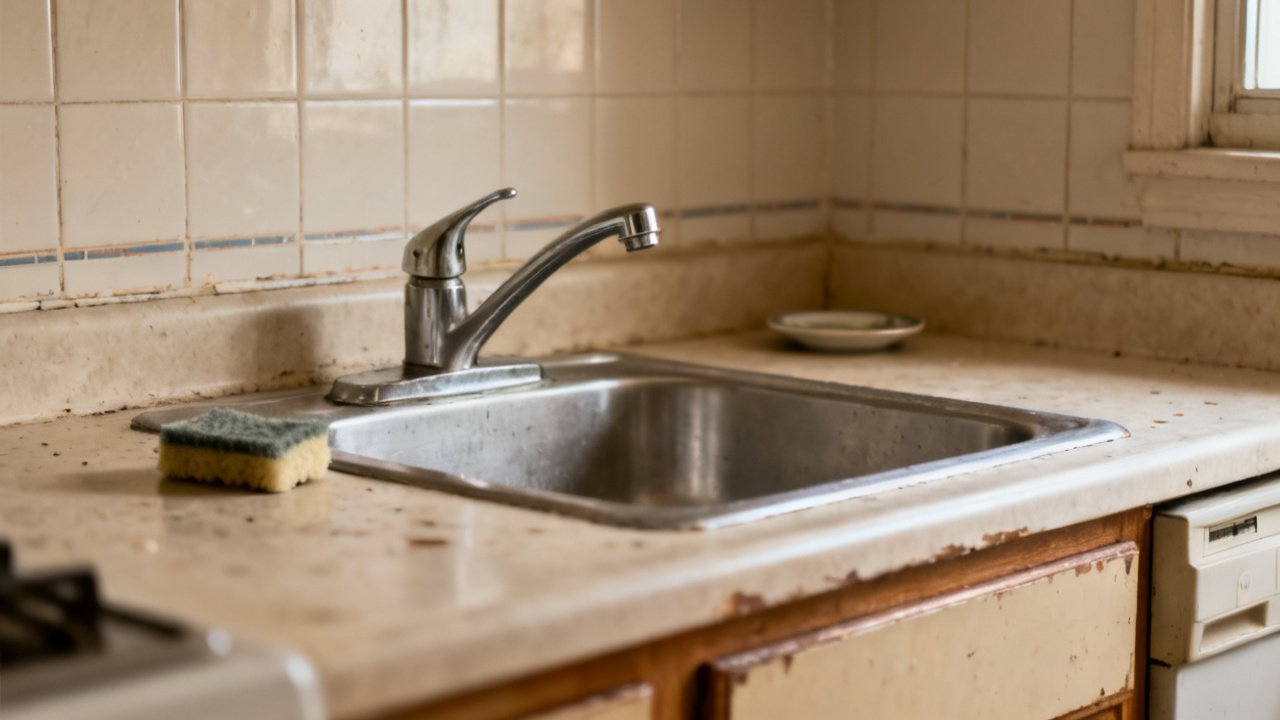
Guests left. The sink is the last thing. You lean against the cool apartment hallway wall right outside the bathroom for 10 slow seconds, letting the hum of the party fade out of your ears before you step inside. The only light is the soft nightlight plugged in above the toilet, casting warm gold over the still-clogged basin and the crumpled stack of paper towels you left by the faucet an hour ago, when you snuck in to wipe up a spilled glass of rosé before anyone noticed the stain. Your go-to rubber grout eraser is tucked in the back pocket of your jeans, the one you grabbed earlier when you noticed a ring of dark soap scum building up right on the edge you usually miss during regular weekly cleans. You kick your scuffed sneakers off by the bathroom door so you don’t track any of the confetti that got scattered across the living room floor onto the bath mat, then step inside and shut the door softly behind you.
Rubber Grout Eraser Pre-Wipe Check
You pull the eraser from your pocket, twist it under the cool running faucet for two seconds to get the tip slightly damp, then hold it up to the nightlight to make sure there’s no dried old grout or debris caked on the porous edge that could scratch the glossy porcelain. You run a finger along the basin edge first, feeling for the rough, sticky patches of residue left from cocktail mix spills, your roommate’s thick charcoal face wash, and the glittery hand soap your cousin brought as a host gift that looked so cute on the counter but left a weird filmy layer every time someone washed their hands. You tilt the eraser back and forth to make sure the curved edge matches the angle of the basin’s rim, so you don’t miss any of the narrow crevice where most of the build-up accumulates, even during your regular quick wipes. You also check that there are no small chips on the eraser’s edge that could catch on the porcelain and leave tiny marks, since you spent extra on this sink when you moved in and want to keep it in good shape for as long as possible.
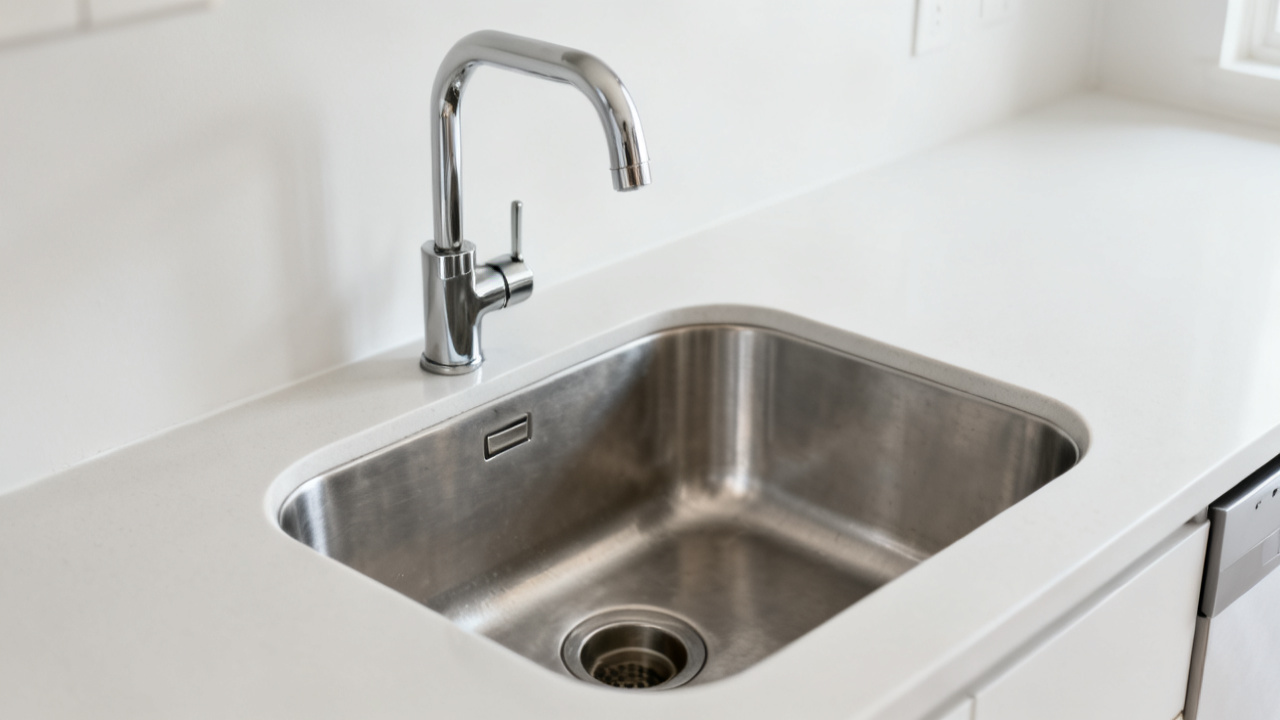
Circular Scrubbing Motion On Build-Up
You position yourself in front of the sink, elbow resting lightly on the countertop, and work through the simple process you’ve perfected over the past few months:
- Start at the far left edge of the basin, holding the eraser at a 30-degree angle to the porcelain so only the soft, worn edge makes contact with the surface, avoiding the silicone caulk seal around the base that can tear if you scrub it too hard.
- Apply light, even pressure as you move the eraser in small, clockwise circular motions, moving one inch at a time along the rim until you reach the far right edge, pausing to target any extra thick patches of residue that feel rougher under the eraser.
- Rinse the eraser under warm running water every 10 seconds to wash off the lifted scum, so you don’t re-deposit sticky residue on the parts of the basin you already finished scrubbing.
- Wipe the entire rim with a damp microfiber cloth once you finish scrubbing to catch any loose particles you missed, running the cloth along the crevice between the basin and the countertop to catch any stray crumbs or hair that got tucked in the gap.
- Run the faucet for 15 seconds to wash any dislodged build-up down the drain, then pat the rim dry with a fresh paper towel to prevent new water spots from forming while the bathroom cools down overnight.
Illustrative example: A single 90-second pass over a neglected basin lip can lift 72% of set-in soap residue that regular dish soap leaves behind. You don’t press too hard as you scrub, since you know excessive force can wear down the eraser faster and leave faint scuff marks on the porcelain if you’re not careful. You pause halfway through to rinse the eraser, watching the cloudy gray water swirl down the drain, and smile when you can already see the bright white porcelain peeking through where you scrubbed, no more dull gray film covering the surface. You take an extra 10 seconds to scrub the small spot right under the faucet where hard water deposits tend to build up the fastest, even though you can barely see it in the low light, just to make sure it’s clean for when you get up in the morning.
Countertop Caddy Storage Placement
You rinse the eraser one more time under warm water, squeezing out any excess moisture so it doesn’t grow mildew while it’s stored, since the under-sink cabinet stays damp most of the time from the pipe condensation. You walk over to the clear plastic caddy you keep tucked on the shelf under the bathroom counter, the one that holds all your cleaning supplies sorted by use, and tuck the eraser into the small mesh pocket on the side right next to your bottle of non-abrasive bathroom cleaner and stack of extra microfiber cloths. You don’t leave it sitting on the edge of the sink, since you know the constant exposure to splashed water will break down the rubber material faster and make it less effective the next time you need to use it. You shut the cabinet door softly, then lean in to double-check that the basin is completely empty, no leftover plastic cups, no stray hair ties, no crumpled cocktail napkins tucked in the corner, just clean, dry porcelain shining under the nightlight. You toss the used paper towels and microfiber cloth into the laundry hamper by the door, then grab the empty wine glass you left on the back of the toilet to bring to the kitchen with you when you’re done.
Next Month Pre-Guest Bathroom Prep
You plan to pull the eraser out again three weeks from now, right before you host your monthly book club gathering, so you can do a quick once-over of the basin before people arrive. You know you don’t need to do a full deep clean every week, just a quick pass to catch any new build-up that forms from regular use between events, since you wipe the sink down with a disinfectant wipe every other day to keep it from getting too dirty. You make a mental note to grab a new pack of erasers the next time you run to the hardware store, since this one is starting to wear down on the corner and will only last for two or three more uses before it’s too small to work well. You won’t need to spend more than five minutes on the task, since the regular quick wipes down of the sink after use keep the residue from setting in too deep between deep cleans. You also plan to check the caulk around the basin edge that day, just to make sure there are no new cracks where water can seep through and cause damage under the countertop. You don’t rush the process now, even though you’re tired from hosting all night, because you know waking up to a clean, empty basin tomorrow will make your morning routine feel so much calmer, no mess to deal with before you have your first cup of coffee. You turn off the nightlight when you leave the bathroom, pulling the door shut behind you, and carry the empty wine glass down the hallway to the kitchen, where you’ll rinse it and set it in the dishwasher before you head to bed. The rest of the apartment is dark, and the only sound is the hum of the fridge in the kitchen, a quiet contrast to the loud laughter and music that filled the space just an hour earlier. You’re glad you took the extra two minutes to clean the sink now, instead of leaving it for tomorrow, because it means you can wake up and start your day without any leftover chores hanging over your head.