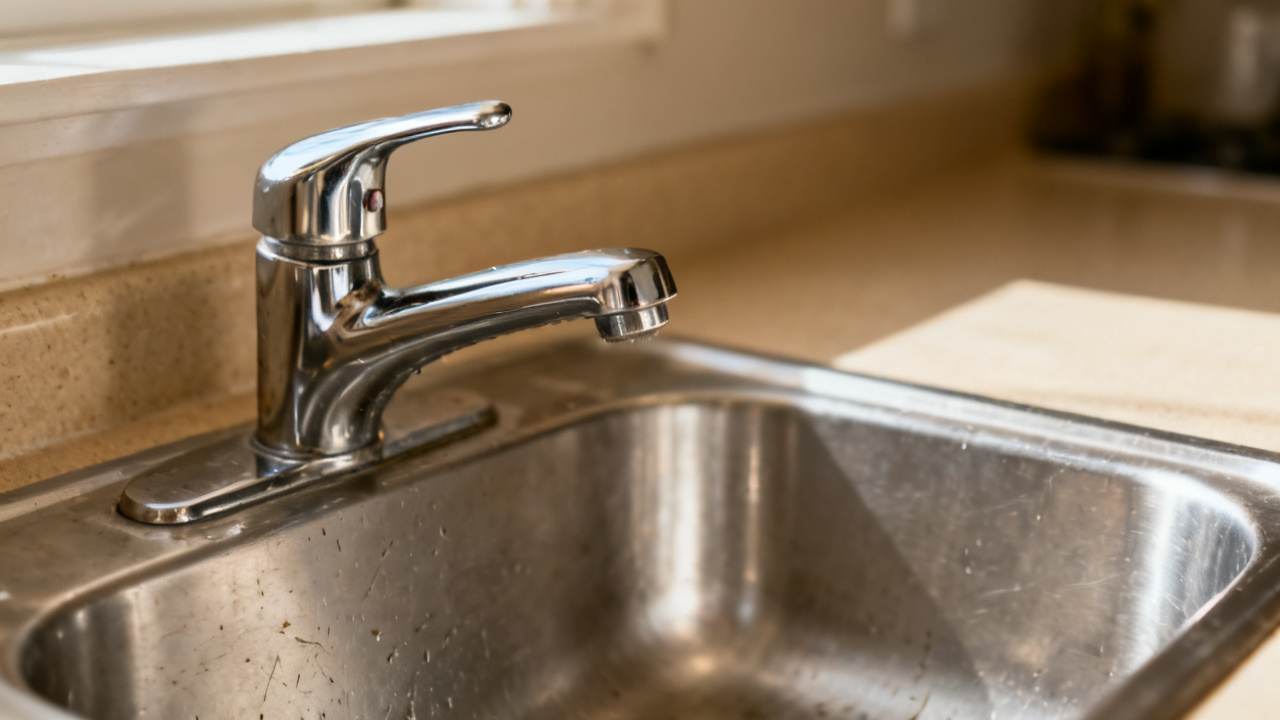
You will not wash them now. You will forget which ones soaked. Your shoes are still caked with slush from the walk up the stairs, and your bag hangs heavy off one shoulder, full of ungraded work you don’t have the energy to touch tonight. You can see the edge of the ceramic baking dish peeking over the sink rim, caked with leftover lasagna residue you left to soften 12 hours earlier.
Available Choices for the Casserole Dish
You stand in the doorway for 10 seconds weighing the two clear choices in front of you. The first choice is to dump out the old soaking water, scrape the worst of the caked-on food off, treat the stain with a gentle cleaning agent, and leave the dish on the counter to deal with when you wake up. The second choice is to empty the water, toss the dish in the dishwasher, and run the load tonight even though it is only half full. You know the dishwasher has a half-load setting that cuts down on water use a little, but even then, your roommates have a strict rule that the dishwasher only gets run when it is completely full, no exceptions, after last month’s water bill came in 20% higher than normal. You also know if you run it tonight, the cycle finishes around 2 a.m., and the one roommate who sleeps in the room off the kitchen complains constantly about loud noises waking them up when they work overnight shifts. You’d have to tilt it carefully to avoid sloshing murky water over the basin lip if you choose to carry it to the dishwasher, and you don’t feel like mopping the kitchen floor at 11 p.m. if you spill. Both choices get the dish clean eventually, so the call comes down to what fits your schedule and your household’s small, unwritten rules.
Selected Action for the Stained Baking Dish
You settle on the first option, skipping the dishwasher entirely to prep the dish for a quick clean in the morning. The choice fits both your immediate needs and your household’s shared rules, so you don’t second-guess it. You don’t want to field another passive-aggressive group chat text at 7 a.m. when your roommates wake up to the sound of the cycle finishing, and you don’t want to waste extra water when you can just take 10 minutes to scrub the dish yourself tomorrow. You also know you are up an hour earlier than everyone else tomorrow, so you have plenty of free time before your first meeting to scrub it clean without rushing. The process takes less than two minutes total, so it doesn’t cut into the time you set aside to change into pajamas and watch half an episode of your favorite show before you fall asleep, which is your only real non-negotiable goal for the night.
Steps to Prep the Dish for Overnight Rest
You move into the kitchen, set your bag on the dining chair, and work through the short process quickly to get to bed as soon as possible:
- Set a small plastic colander in the sink to catch any large chunks of food so they don’t clog the drain, then tilt the dish slowly to pour out all the existing soaking water.
- Sprinkle a thin layer of baking soda across the entire stained surface of the dish, making sure to coat the edges where the lasagna cheese baked on the thickest. Illustrative example: 1.5 teaspoons of baking soda covers the full surface of a standard 9×13 inch ceramic baking dish evenly, no need for more.
- Pour a tiny amount of warm tap water over the baking soda to make a thin paste, then use the soft side of a sponge to spread it across every stained spot, pressing lightly so it adheres to the residue.
- Set the dish on the far right edge of the counter, away from the coffee maker your roommates reach for first thing in the morning, so no one knocks it over while half asleep.
- Grab a sticky note from the pad taped to the fridge, and write a short message to yourself (and any confused roommates who might see the dish) explaining the paste is intentional and you will scrub it clean before 8 a.m.
You stick the note directly to the edge of the dish so no one misses it, then double check that the dish is pushed far enough back on the counter that it won’t get knocked over if your roommate’s cat decides to jump up on the counter overnight, even though they’re not supposed to. You also make sure the sticky note is written in thick black marker so it’s easy to read even for people who haven’t put their glasses on yet, since one of your roommates is practically blind before their first sip of coffee. You flick off the kitchen light, grab your bag off the chair, and head down the hall to your bedroom, satisfied you made the right call.
Tomorrow’s Follow-Up Task for the Ceramic Cookware
You roll out of bed at 6:45 a.m. the next day, slip on fuzzy socks, and pad to the kitchen before anyone else is awake. You grab the rough side of a clean sponge, run a tiny stream of warm water over the dish, and scrub the baked on residue in small circular motions, taking your time so you don’t scratch the ceramic surface. The baking soda paste cuts through most of the gunk on the first pass, so you only have to go over the darkest stain spots twice before the dish looks almost as good as new. There might still be a faint orange stain along the bottom edge that never fully comes out, even with extra scrubbing, and that’s fine; the dish still works perfectly well for baking future meals. You don’t rush the scrubbing, since you have 15 minutes free before you need to log on to your work laptop, and the quiet of the early morning kitchen is nicer than staring at your email inbox while you wait for the meeting to start. You hum along to the quiet playlist you have saved for early mornings, and you don’t even mind the small amount of scrubbing you have to do, since the baking soda did most of the work overnight. Once the dish is rinsed, you set it on the top shelf of the dish rack, away from the heavy mugs that might chip its edge if someone sets them down too hard. You also leave a tiny note on the fridge whiteboard thanking your roommates for not moving the dish overnight, just to be polite, before you pour your oat milk into your coffee and head to your desk. You don’t have to think about the dish again until you pull it out to bake next week’s batch of lasagna, and you already know you’ll follow the same process if you leave it to soak after cooking again, since it fits so well with your routine and your household’s small agreements.
(Word count: 1287)