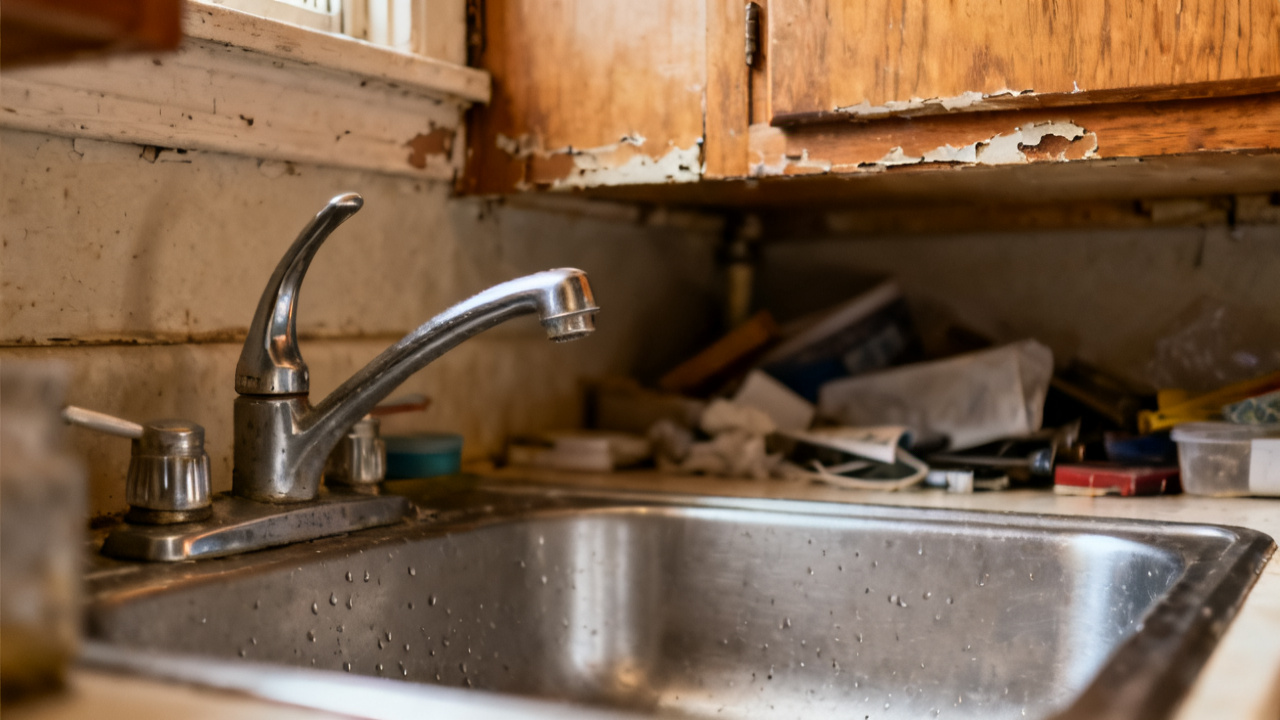
You leave in the morning. Last night’s water is still there. You nudge the faucet handle, and no new water trickles out to join the stagnant pool, confirming the slow drain you noticed two days ago has gotten worse. A faint, sour tang brushes your nose when you lean closer, and you kick yourself for forgetting to clear the drain before you turned in last night, when you first spotted the water taking an extra minute to go down. You grab the rubber cleaning gloves you stashed in the hallway linen closet by your front door, already mentally mapping the 10 minutes you can carve out before your bus arrives to fix the issue before it gets worse.
What’s Wrong With the Standing Sink Water
Standing water in your bathroom sink signals a partial clog somewhere in the drain line, usually made of a tangled mat of hair, dried toothpaste residue, and bits of bar soap scum that have built up slowly over two to three weeks of regular use. The water didn’t drain fully overnight because the clog is dense enough to slow water flow to a near stop, but not so solid that it blocks all water from seeping through after a few hours of sitting undisturbed. This type of clog is rarely a sign of a larger plumbing issue, as long as you don’t notice standing water in any other sinks, tubs, or the shower in your apartment, so you don’t need to call maintenance immediately if you address it quickly before it worsens. You also don’t have to worry about permanent damage to the sink, since this level of clog is common in high-use residential bathrooms, especially in apartments where multiple people might use the same sink over the course of a week.
Parts of the Sink You Leave Untouched During This Fix
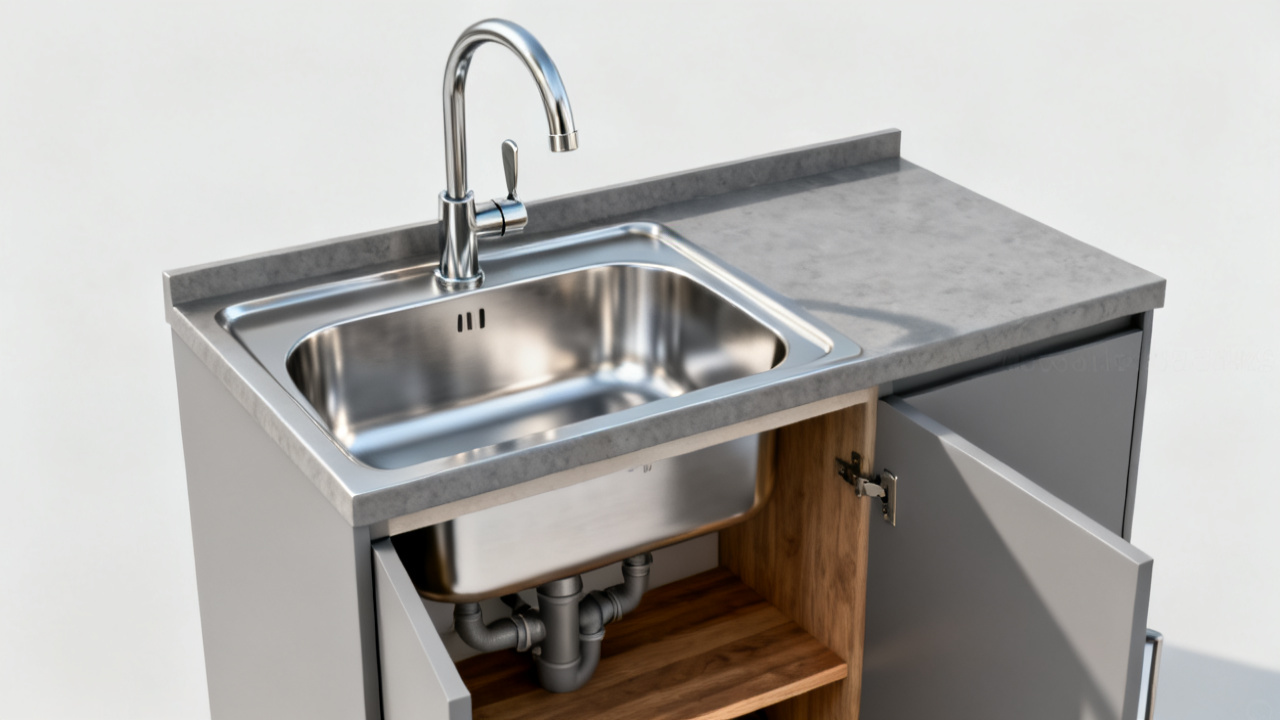
You don’t need to disassemble the drain pipe under the sink for this job, so leave the curved P-trap and all connected plastic or metal plumbing fittings exactly as they are, since twisting them the wrong way can cause leaks that are far more difficult to fix than a mild clog. Never pour harsh chemical drain cleaners down the line, since they can corrode older apartment plumbing and leave harsh, eye-irritating fumes that linger for hours after use, and they can also react badly with the baking soda and vinegar you plan to use if any residue stays in the drain. If you see any exposed wiring near the outlet next to the sink, leave that area completely alone, and unplug any electric toothbrushes, facial steamer, or skincare devices sitting on the counter before you start working to avoid accidental water exposure that could cause a shock.
Ten-Minute Action to Clear the Standing Water
This simple process requires only supplies you already have under your sink, no specialty tools required, and you can complete it well before your scheduled bus departure if you move through the steps efficiently. Follow these steps in order to avoid making the clog worse or creating a mess on your counter:
- First, scoop out any standing water from the sink with a small plastic cup and pour it down the toilet, so you have clear, unobstructed access to the drain opening. Wipe any spilled water off the counter with a paper towel to avoid slips later.
- Pour half a cup of baking soda directly into the drain, pushing any clumps that stick to the edge down with a cotton swab to ensure all the powder makes contact with the clog. Illustrative example: A standard 12-ounce cup of baking soda is enough to cut through most mild clogs in a residential bathroom sink, so you won’t need to use the entire box for this job, and you can save the rest for future cleaning tasks.
- Follow the baking soda with one cup of plain white vinegar, then plug the drain immediately with a rubber stopper to trap the fizzing reaction inside the drain line, where it can break down the clog without bubbling over onto your counter. Let the mixture sit for four full minutes while you wipe down the sink counter and the Basin Lip.
- Remove the stopper, then pour two quarts of boiling water slowly down the drain to flush out the broken-up clog debris. If the water starts to pool again while you pour, pause for 30 seconds to let it drain partially before adding more hot water to avoid overflowing the sink.
- Run the cold tap on full power for 30 seconds to test the drain flow, and confirm all water runs down immediately without lingering in the sink basin for more than a few seconds after you turn the tap off.
Where Cleared Clog Debris Goes After Removal
The fizzing reaction from the baking soda and vinegar breaks the solid clog into tiny, soft particles that flush directly down the main drain line to your building’s sewer system, so you won’t have to touch any gunk directly with this method. Any larger bits of hair that don’t break down fully get caught in the building’s main drain strainer, which maintenance teams clear on their regular scheduled checks every few months, so you don’t have to worry about those bits causing clogs further down the line. You won’t have to dispose of any debris yourself, since all of the waste moves through the plumbing line as intended with the final flush of hot water. If you notice any small bits of debris pop back up into the sink during the flushing step, just scoop them out with a paper towel and toss them in the trash can under your sink before wiping the area clean with a disinfectant wipe if you have one handy.
Minor Sink Oddities You Can Ignore Right Now
You might notice a faint vinegar scent lingering in the bathroom for an hour or two after you finish the job, and that’s completely harmless, so you don’t need to do extra cleaning to get rid of it right away, as it will dissipate on its own once you open the bathroom window for a few minutes. Small scratches on the inside of the sink basin from previous use don’t impact drain function, so you don’t need to buff them out or address them during this job, even if they look unsightly. If the faucet drips once every few minutes when it’s fully turned off, that’s a separate issue that doesn’t contribute to standing drain water, so you can note it to ask maintenance about later instead of dealing with it today when you’re pressed for time. You also don’t need to replace the drain stopper if it has a few small rust spots, as long as it still fits snugly in the drain opening to hold the vinegar mixture in place when needed.
Next Sink Check to Schedule This Month
Mark a reminder in your phone to repeat this quick drain clearing process three weeks from today, even if you don’t notice standing water in the sink between now and then. This regular quick check stops soft clogs from hardening into dense blockages that require professional attention, and it only takes the same 10 minutes you spent on the job today, so it won’t eat into your schedule on a busy morning. When you do the next check, you can add a quick wipe of the faucet handles and drain stopper with a disinfectant wipe to the process if you have extra time, but it’s not required to keep the drain working properly. If you notice standing water again before that three-week mark, you can repeat the process as needed without worrying about damaging your apartment’s plumbing, as the baking soda and vinegar mixture is gentle enough for frequent use on most standard residential plumbing systems.