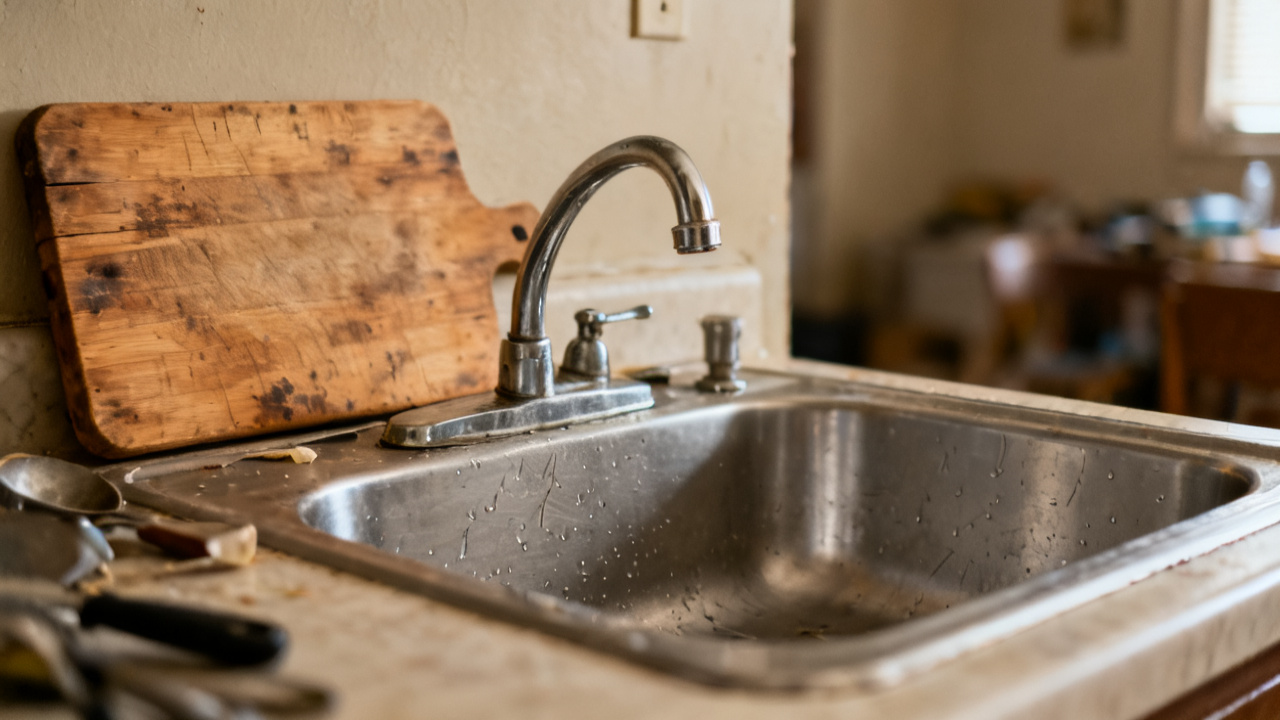
It is not full. It is not empty. You hover on the scuffed linoleum outside the fourth-floor studio, rubber gloves pulled up to your elbows, a crumpled stack of microfiber cloths tucked in the back pocket of your work pants. The water sits perfectly still in the small, shallow channel of the fixture you’re here to address, no suds, no murk, just a clear pool that catches the glow of the overhead fluorescent hallway light. You don’t need to run any tests to confirm the blockage is minor, no gunk built up deep enough to require heavy tools or a call to the plumbing lead.
Partial clog slowing the basin drain
This is the only issue you’re here to resolve, a small accumulation of hair, hand soap residue, and loose hallway lint that has built up just under the strainer over the last three weeks, slowing drain flow enough that water pools for 10 to 15 minutes after someone uses the fixture to wash their hands or rinse off a grocery bag. The water clarity tells you no food waste, harsh cleaning chemicals, or foreign objects are trapped in the upper portion of the drain, so you won’t have to disassemble any parts below the strainer basket to fix the slow flow. You confirm the clog is limited to the top inch of the drain by pouring a quarter cup of warm water into the basin, watching it sit on top of the existing standing water with no mixing or draining for 10 full seconds before the tiniest trickle starts to seep through the blockage. That lines up with the maintenance ticket the front desk submitted yesterday, which noted the standing water doesn’t overflow even if someone runs the tap for 30 straight seconds. You also notice no strange odors coming from the drain, which confirms there’s no rotting food or organic waste trapped deeper in the pipe that would require more extensive work.
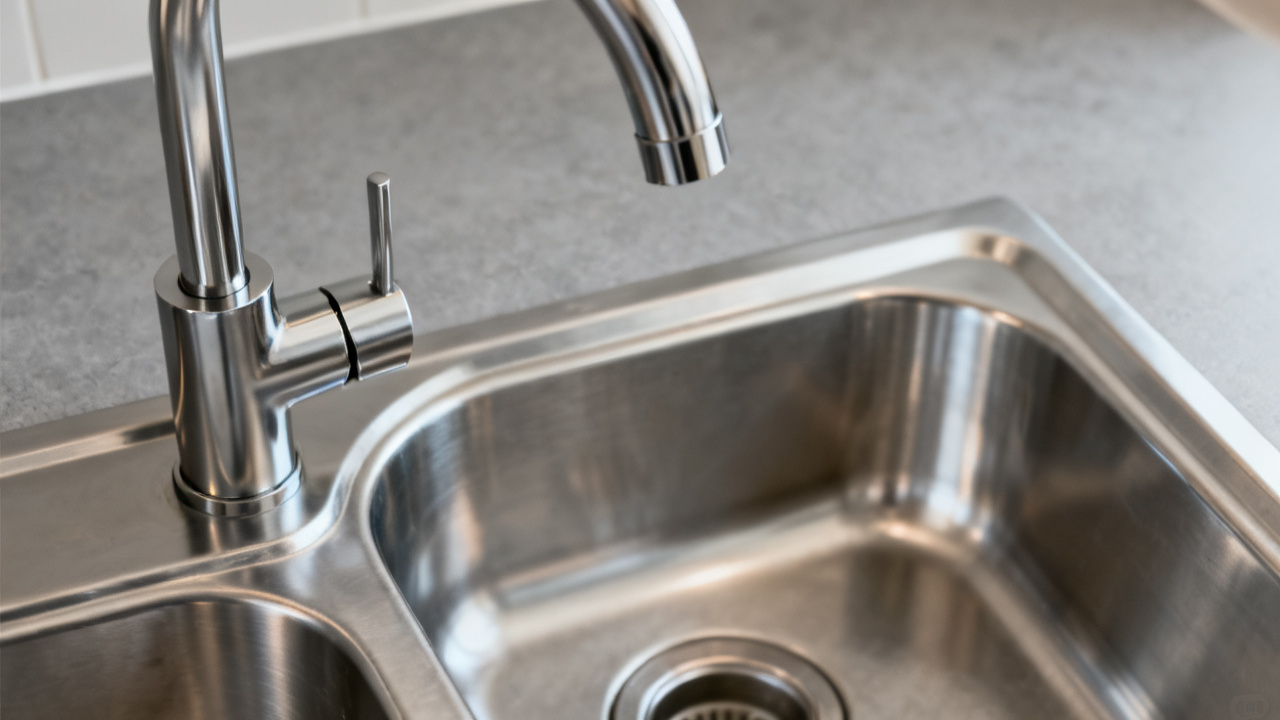
Sealed drain pipe under the floor
This part of the plumbing system is completely off limits for your current task, no matter how curious you are about the age of the pipes or the small drip you think you hear through the linoleum when you press your ear to the floor. The pipe was replaced last year during the building-wide plumbing retrofit, and any access to it requires a licensed plumber, a work order signed off by the building manager, and a permit from the city’s utilities department. You also leave the basin’s tap assembly untouched, since the ticket made no mention of leaks, low water pressure, or a loose handle, and tampering with parts that don’t need adjustment can create new issues you’ll have to come back to fix later. Even if you see a tiny bit of discoloration around the base of the tap, you leave it be, since it’s just mineral buildup from the building’s hard water that doesn’t impact function. You also don’t touch the access panel on the wall next to the basin, which covers the pipe shutoff valve, since you don’t need to cut water flow for this minor unclogging job.
Quick unclogging sequence for the basin strainer
This 4-step process takes less than 10 minutes total, requires only the flathead screwdriver you keep on your keychain and the microfiber cloths you brought with you, and doesn’t involve any harsh chemical cleaners that could damage the drain pipes.
- Pry the strainer basket up from its seat using the edge of your flathead screwdriver, being careful not to scratch the surrounding porcelain as you lift. Set the strainer on a clean section of your microfiber cloth to avoid getting debris on the hallway floor.
- Scrape the soft, clumpy clog material from the underside of the strainer and the top quarter inch of the drain opening using the edge of the cloth, rolling the gunk into a small ball as you work to keep it from falling back into the pipe.
- Run the tap on warm for 20 seconds, holding your hand under the flow to redirect it around the edges of the drain opening to flush any remaining small bits of debris down the pipe, confirming the water drains immediately with no pooling.
- Wipe the strainer basket completely clean with a fresh section of the cloth, press it back into its seat until you hear a faint click that confirms it’s locked in place, then wipe any spilled water off the surrounding porcelain to eliminate slip hazards.
Once you finish the sequence, run the tap for another 10 seconds to double check there’s no remaining standing water left after the flow cuts off. If you still see slow drainage, you can repeat step 3 to flush any remaining loose debris, but you won’t need to take any further action for this specific issue.
Collected debris disposal route
You don’t dump the collected clog material down any other drain in the building, even if it looks soft enough to break apart easily, since that can create new clogs in other fixtures that will require additional work orders to fix. Instead, you tuck the rolled up gunk into the used microfiber cloth, fold the cloth closed so no debris can fall out, and drop it into the dedicated maintenance waste bin in the first-floor utility closet as soon as you finish the job. All waste in that bin gets picked up by the building’s contracted waste management team every Tuesday, so you don’t have to take it off site yourself or dispose of it in the regular tenant trash bins that can get overloaded during move-in weeks. Illustrative example: 17 small hair clumps and 2 bits of loose caulk is a typical haul for this fixture over a three-week period, so the total waste from this job is small enough that it won’t take up any meaningful space in the maintenance waste bin. You also rinse off your screwdriver in the first-floor utility sink before putting it back on your keychain, to avoid getting any sticky residue on your other tools, and you log the completed work order in the building’s maintenance app before heading to your next assigned task for the night.
Harmless surface marks on the basin edge
You don’t need to address any of the cosmetic blemishes on the fixture during this visit, since the work order only requested resolution for the slow drain causing standing water. The faint scratch running along the Basin Lip is a permanent mark left by a tenant’s moving dolly two years prior, no need to buff or patch it. The light yellow mineral staining around the base of the tap is also harmless, caused by the high mineral content of the city’s water supply, and it doesn’t impact the function of the tap or the drain. You also ignore the small sticker a local pizza place stuck to the side of the basin last month, since the building’s tenant association is planning a hallway clean-up day next weekend where volunteers will remove all random stickers and flyers from public surfaces, and you don’t want to do their work for them unless it’s causing a safety hazard. Even if you have an extra minute after finishing the unclogging, you save the cosmetic fixes for a dedicated work order, so you can stay on schedule to finish all your assigned tasks for the night.
Scheduled monthly check for the fourth-floor hallway basin
Your next visit to this fixture is already scheduled for four weeks from today, as part of your regular monthly public fixture maintenance round that covers all six hallway basins in the building, plus the outdoor hose bibs on the ground floor and the utility sinks in each floor’s laundry room. You add a small note to your digital maintenance log noting the minor clog you cleared today, so you can pay extra attention to this drain during your next visit to catch any buildup before it gets bad enough to cause standing water again. If a tenant submits another ticket about this drain before your scheduled check, you’ll prioritize it within 24 hours of receiving the notice, but if no issues are reported, you’ll stick to the planned monthly timeline. During that next visit, you’ll run the tap for 30 seconds to check for drain speed, inspect the strainer for any early buildup, and wipe down the fixture to remove any loose debris that could get washed into the drain over time. You don’t need to bring any special tools to that visit, just your standard microfiber cloths and the flathead screwdriver you already carry with you on all maintenance calls. You can also bring a small bottle of gentle, pipe-safe cleaning solution if you have extra room in your bag, to wipe away light mineral buildup if you have extra time during that check.