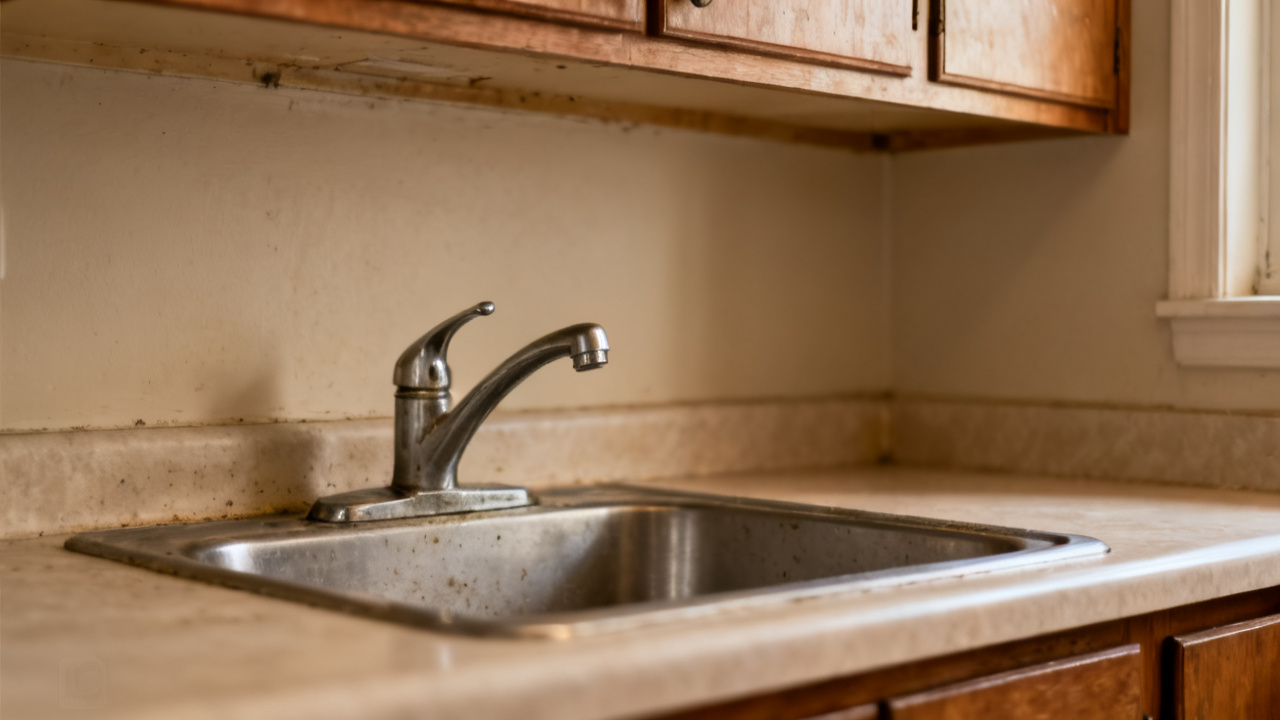
One pan has sauce in it. The rest can wait.
You just tripped over the edge of the hallway rug on your way back from filling your water glass at the kitchen sink, and the crusted tomato splash on the pan’s curved side caught your eye over the edge of the stack of unwashed bowls and utensils piled beside it. You don’t have the energy to scrub the whole load tonight, not after the 10 hour workday and the 45 minute delay on the train ride home, but you know the longer that starchy, cheese-laced sauce sits, the more it will harden into a crust that requires extra elbow grease to remove tomorrow. Your fuzzy wool socks are still slightly damp from stepping in a spilled puddle by the building entryway when you got home, so you want this done as fast as possible so you can crawl into bed and finish the last chapter of the book you’ve been working through all week.
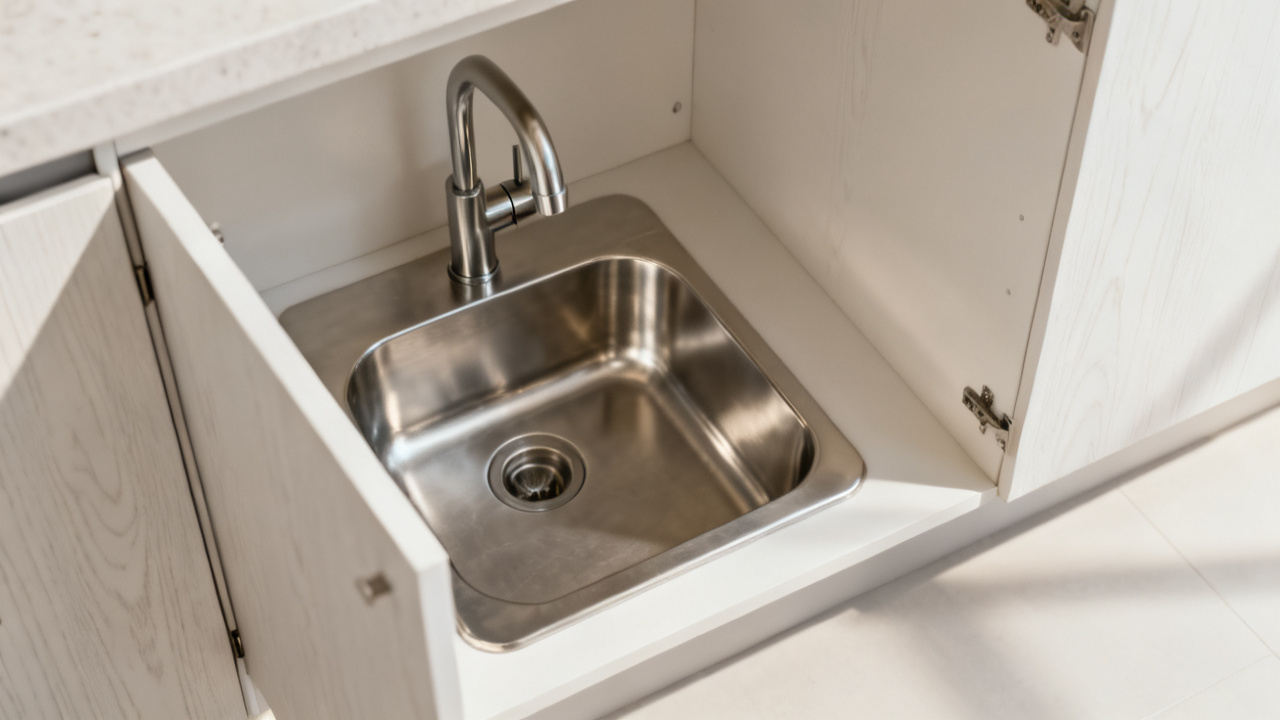
Pan Residue Check
You wrap your hand around the cool silicone handle of the pan, the same one you bought on sale three months ago after your old non-stick pan started peeling. It’s still slightly warm to the touch from sitting near the vent above the stove, where you set it down after serving yourself pasta two hours earlier. You run your index fingertip lightly over the sauce crust at the edges of the pan, testing how firmly it’s stuck; none of it is burnt on hard enough to require a heavy-duty scrub brush right now, just the thick layer of tomato, parmesan, and leftover pasta water that congealed while you were curled up on the couch watching three episodes of your favorite comfort show after eating. You tilt it to make sure there’s no clump of overcooked pasta stuck to the bottom, just a few stray basil leaves that you can flick into the small compost bin you keep on the counter by the sink before you start rinsing. You don’t see any scratches in the ceramic coating that would catch and hold extra sauce, so you know this rinse will be even faster than you expected.
Warm Water Rinse
You reach for the faucet handle, turning it to a lukewarm flow, no hotter than you would run for a gentle hand wash, to avoid warping the pan’s thin ceramic coating or making the handle too hot to hold. You follow a simple set of steps to get the sauce off without making a mess:
- Adjust the water flow to a medium pace, not so strong that it splashes all over your shirt or the counter around the sink, but strong enough to soften the hardened sauce quickly.
- Hold the pan at a 45 degree angle under the stream, letting the water hit the center of the thickest sauce patch first to soften the top layer without pushing crusted bits of food out of the sink and onto the floor.
- Grab the soft silicone scrubber you keep tucked in the small wire holder by the dish soap dispenser, running it over the sauce in slow, wide circular motions to wipe away the remaining residue; you don’t need any soap right now since you’re only doing a pre-rinse before you scrub the pan properly alongside the rest of the dishes tomorrow.
- Tilt the pan to pour the cloudy, sauce-tinted water into the sink, making sure no stray food bits get caught on the edge of the basin as you empty it.
- Run a final quick stream of clean, cool water over the whole interior and exterior of the pan to make sure no sticky spots are left behind.
You don’t need to scrub hard right now, the point is just to remove the bulk of the sauce before it dries fully into an immovable crust. Illustrative example: A batch of starchy tomato sauce left on uncoated cookware for 19 hours requires four times more scrubbing pressure to remove than sauce rinsed within 15 minutes of the pan being emptied. You bump the corner of the pan against the Basin Lip when you tilt it to pour out the first round of water, but no sauce spills onto the counter so you don’t need to wipe it up right now. You double check the edges of the pan one more time to make sure all the visible sauce is gone, and you’re already halfway done with the whole task.
Drying Rack Placement
You hold the pan over the sink for three quick, firm shakes to fling off the excess water, avoiding dripping water across the counter or the stack of clean dish towels you keep folded by the stove. The drying rack is half full of clean plates and mugs you washed two days ago and haven’t gotten around to putting away yet, so you find the open spot in the far left corner, the one that’s not blocked by the stack of tall coffee mugs, so air can circulate around both the inside and outside of the pan overnight. You prop it up at a slight angle against the metal bar of the drying rack, making sure it’s not tilted so far that water pools in the crevice where the handle attaches to the pan body, which would leave a weird rust-colored water stain if it sits for too long without being wiped away. You tuck the silicone scrubber back into its wire holder by the soap, wipe one tiny splash of water off the edge of the counter with the back of your hand, and you’re done with the whole task in less than two minutes total, faster than it would take you to heat up a cup of tea for bedtime. You grab your water glass off the counter where you set it down when you noticed the pan, and you’re ready to head back down the hallway to your bedroom.
Next Evening Pre-Rinse Routine
Tomorrow night, when you finish eating whatever you make for dinner, you’ll do this exact same quick rinse for the one dirtiest pan you used, before you sit down to watch your show or scroll through your phone after eating. You don’t have to do the whole load of dishes, just the one pan that would be a pain to scrub if it sat overnight, no matter what you cook. If you make something with a lot of oily residue, like stir fry or fried eggs, you can add a single drop of dish soap to the rinse water to cut through the grease, but you still don’t need to spend more than two minutes on the task. If you end up ordering takeout instead of cooking, you can skip the rinse entirely that night, no guilt attached, since there won’t be a dirty pan left sitting in the sink to worry about. You can also extend this quick rinse to a single baking dish or pot if that’s the dirtiest thing you used that night, no need to limit it to just a shallow pan. The point is not to keep your kitchen perfectly spotless every single night, it’s to save yourself a small, annoying chore the next day, when you’re already rushing to get out the door for work and don’t have time to scrub a crusted pan before you make breakfast. You don’t have to make this a big, formal routine, just a tiny 60 second task you do on your way past the sink to the hallway at the end of the night, when you’re already getting your water or turning off the kitchen lights. Even on nights you feel completely drained, this small step takes almost no effort, and you’ll always be glad you did it when you walk into the kitchen the next morning and don’t have a rock-hard mess waiting for you under the other dishes.