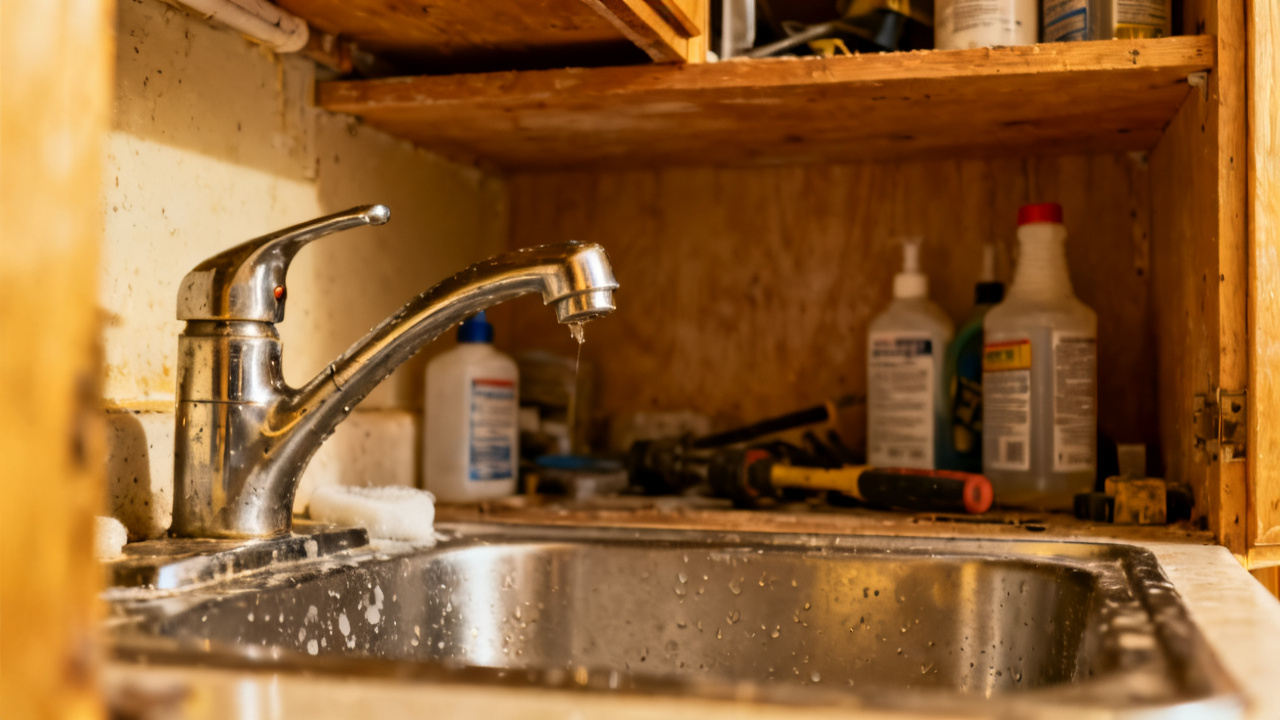
It is wet and leaning. The sink is the only place it fits. You hook the toe of your sneaker under the edge of the trash can to drag it closer, and a crumpled paper towel falls out of the gap between the counter and the Basin Lip. Your phone buzzes in your back pocket, a reminder from your roommate about leftover takeout in the fridge, but you ignore it for now. The cutting board is streaked with tomato paste and raw chicken juice from dinner prep, so you can’t just prop it anywhere else.
Scrub the cutting board’s grooved edges
You squirt a dollop of lemon-scented dish soap onto the green abrasive side of your sponge, and work it into a lather under the running tap for two seconds before pressing it to the surface of the board. The raised juice grooves along the perimeter catch most drips during meal prep, but they also trap tiny bits of onion skin and garlic pulp that get stuck if you don’t scrub them immediately. You run the corner of the sponge along each groove repeatedly, applying light pressure to dislodge every crumb without gouging the bamboo material that makes the board lightweight enough to move easily. You can use a plastic toothpick to dig out any extra stubborn bits if the sponge doesn’t catch them, but make sure you don’t leave splinters of wood or plastic behind when you finish. You wipe any crumbs you dislodge straight into the trash can at your feet so they don’t fall onto the floor or into the sink drain.
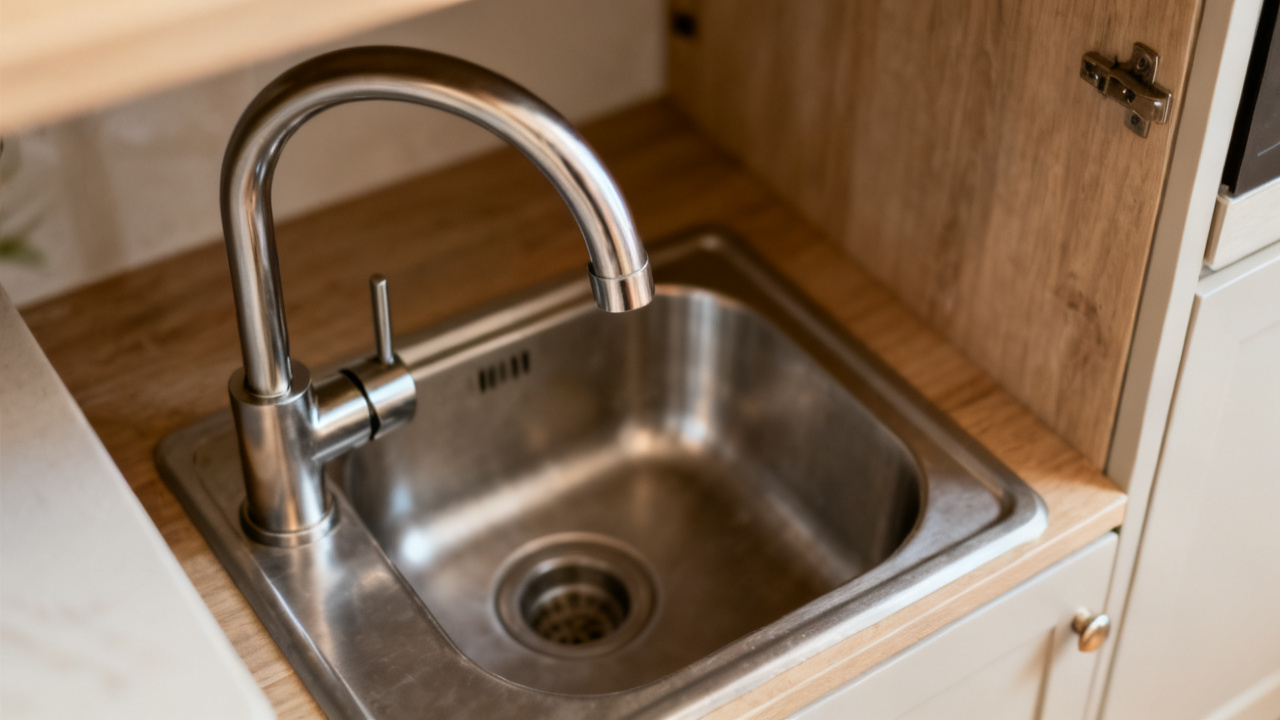
Rinse the cutting board under lukewarm tap water
You hold the board at a slight angle under the running tap, letting the water wash away all the soap suds and dislodged food bits straight down the drain. You flip the board over halfway through to rinse the flat back side, which usually only has a few smudges of oil from when you set it down on the counter mid-prep. You make sure to hold the grooved side down first so water doesn’t pool in the channels and drip onto your sweatpants as you move it. If any suds remain in the grooves after the first pass, you can splash a little extra water directly into them with your hand to flush them out. You avoid using hot water for this step, as high heat can warp the thin bamboo material and make the board uneven when you use it later.
Sanitize the cutting board with a diluted bleach spritz
You keep a dedicated spray bottle under the sink for sanitizing food contact surfaces, since raw meat juices can linger even after you scrub with soap. You don’t need to use a harsh concentration of bleach to kill any remaining bacteria, as a very dilute mix works just as well without leaving a strong chemical smell behind. Illustrative example: if you have a 16-ounce spray bottle, you only need 1 teaspoon of unscented bleach mixed into the full bottle of cold water to make an effective sanitizing solution. You spritz the entire surface of the board, front and back, making sure every inch gets coated, and let it sit for 30 seconds before you move on. You can use a food-safe distilled white vinegar mix instead of bleach if you prefer, just let it sit for a full minute to get the same level of sanitization.
Prop the cutting board at a 45-degree angle to air dry
Follow these steps to prop it securely so it doesn’t slip and fall onto the floor while it dries:
- Line the edge of the board that has the juice grooves facing the backsplash, so any excess water that drips off runs straight down into the sink instead of pooling on the counter.
- Tuck the bottom edge of the board ½ inch under the lip of the sink’s front edge to hold it in place, so it can’t slide forward if someone bumps the counter on their way to the hallway.
- Rest the top edge of the board against the tile backsplash, making sure it sits flat against two adjacent tiles so it doesn’t wobble.
- Press gently on the top of the board with one finger to test its stability, and adjust the angle slightly if it shifts at all when you apply pressure.
If the board is still dripping heavily when you prop it, you can pat it down with a clean paper towel first to reduce the amount of water that runs down into the sink. You don’t want to lay it flat on the counter to dry, because that traps moisture against the bottom surface and can lead to mold growth or warping that makes the board uneven when you use it to cut food later.
Check the cutting board for remaining food residue before you leave
You lean in a little closer to the board, running one clean finger along the grooved edges to make sure there are no remaining bits of food stuck anywhere. You sniff the surface lightly to make sure there’s no lingering bleach smell, which would mean you didn’t rinse off the sanitizer well enough before you propped it up. If you do smell bleach, you can grab a clean damp rag and wipe the surface down quickly before you re-prop it to dry. You also check for any deep cuts or gouges in the bamboo that might be holding trapped food, and make a mental note to sand those down the next time you have 10 extra minutes to spare. You don’t want to use a cutting board with deep cuts for raw meat, because those crevices can hold bacteria that’s hard to remove even with scrubbing and sanitizing. When you confirm the board is clean, secure, and free of strong chemical scents, the core of your job is complete.
Grab the cutting board for Sunday meal prep next weekend
This is the same routine you follow every time you use the bamboo cutting board for raw meat, so you know exactly what steps to take when you pull it out again in six days. You’ll start by setting it on the counter next to the sink before you pull out the chicken thighs and rice you have planned for next week’s lunch prep, and you’ll go through the same scrub, rinse, sanitize, and prop process when you finish. You can also use the same routine if you use the board for cutting juicy fruits like watermelon or pineapple, since the juice grooves catch the sticky liquid and keep it from running all over the counter. You make a mental note to pick up a new sponge when you go to the grocery store later this week, since your current one is starting to fray at the edges and won’t scrub the grooves effectively for much longer. When you finish your check tonight, you can turn off the kitchen light, grab that leftover takeout your roommate mentioned, and head down the hallway to your room to eat before you start your evening work. The board will be fully dry and ready to put away in the cabinet by the time you wake up tomorrow.