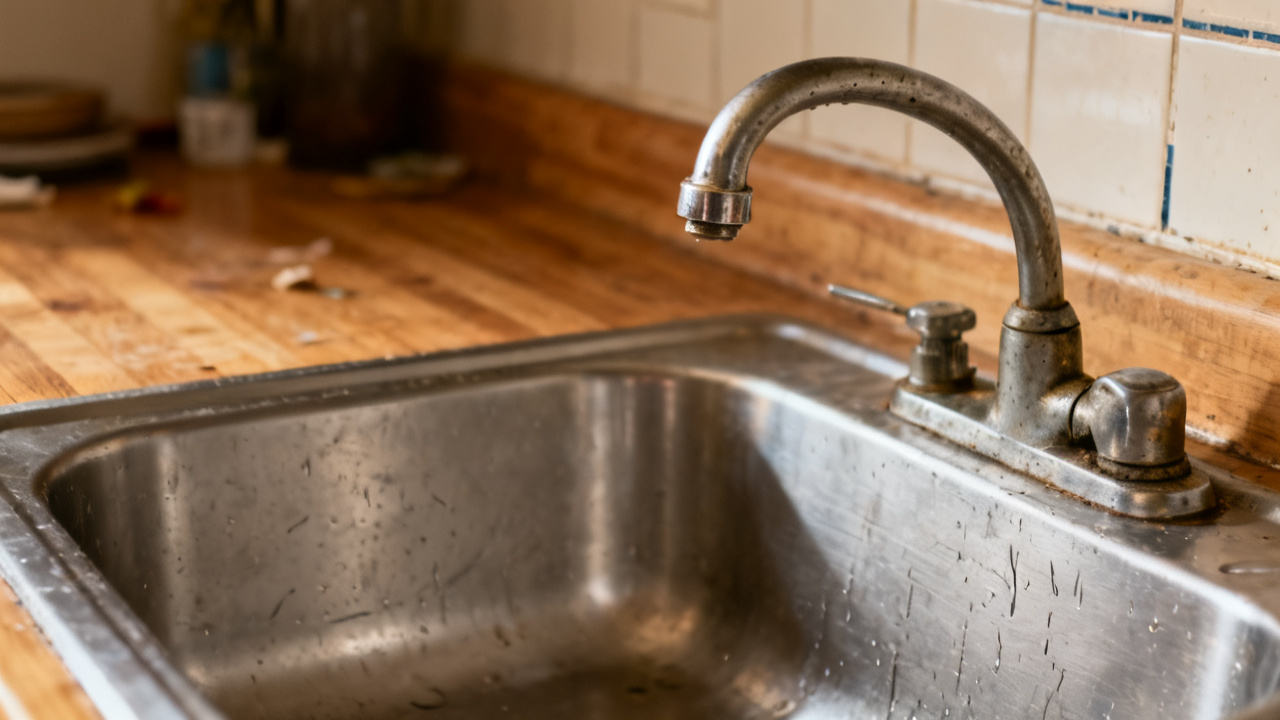
You count them. They do not stop. You lean against the apartment hallway wall outside your neighbor’s door, bucket balanced on the floor at your feet, and track the steady plink off the basin lip onto the linoleum. Your phone is tucked in your hoodie pocket, set to buzz when maintenance texts back, but you don’t want to leave the mess to spread and warp the floorboards before they arrive. The leak started yesterday, a tiny trickle you spotted when you took your dog out for his late walk, and it’s picked up just enough speed to leave a damp 6-inch ring on the floor if left unattended for an hour. Your neighbor is out of town for the week, so you offered to keep an eye on their small exterior plumbing fixture that juts out into the hallway, the one the building manager said was scheduled for replacement next month.
Grab the absorbent floor pads you stashed in your utility closet last month
You’d packed three of them in your bucket along with a roll of paper towels and a plastic scraper when you noticed the drip getting faster 10 minutes ago. You keep these pads on hand for small spills around your own kitchen and bathroom, so you already knew they’d be perfect for containing this small leak without leaving any sticky residue on the hallway floor. Peel the plastic backing off the first pad and lay it flat directly under the drip, pressing the edges down to seal it to the linoleum so no water seeps out around the sides. The pads are designed to hold up to a gallon of water each, so you won’t have to worry about overflow if maintenance takes a couple extra hours to show up. Tuck the extra pads in the gap between the wall and the bucket so they’re easy to reach if you need to swap one out later.
Wipe the pooled water off the surrounding trim and tile
Use the folded paper towels from your bucket to sop up the existing puddle first, wringing the excess water into the empty bucket between passes. Run the edge of the plastic scraper along the base of the door trim to get any water that’s seeped into the tiny gap between the trim and the floor, dabbing the scraped moisture up with a fresh paper towel as you go. If you leave any standing water sitting against the trim for more than a couple hours, it can seep into the particleboard under the paint and cause bubbling or warping that the building will have to repair later, so take an extra 30 seconds to run your finger along the base of the trim to feel for any damp spots you might have missed. Make sure you get the entire 2-foot radius around the drip point, checking under the edge of the welcome mat outside the door to make sure no water pooled there out of sight. Toss the used paper towels in the small trash bag you brought along so you don’t leave wet litter sitting in the hallway for other tenants to step around.
Prop the temporary splash guard under the drip point
The guard is a thin, flexible sheet of plastic you cut to size earlier, with a small lip folded along the bottom edge to direct stray drops straight into the absorbent pad. You cut the guard from an old plastic storage bin lid earlier that day, so it’s thick enough to stop drops from bouncing through but flexible enough to adjust to the angle of the wall without cracking. Lean the top edge against the wall just above the drip point, adjusting the angle so every falling drop hits either the guard or the pad directly instead of bouncing off onto the dry floor. Tape the top two corners of the guard to the wall with painter’s tape so it doesn’t slip or fall over if someone brushes past it on their way to the stairwell. Don’t use permanent tape, so you won’t peel off any of the wall’s paint when you remove the guard later.
Log the exact drip rate for the maintenance team
The maintenance team handles 15 to 20 repair requests a day across the 12-floor building, so the more specific your notes are, the easier it will be for them to bring the right parts and prioritize the repair if it’s worse than they initially thought. Follow these steps to get an accurate count you can share with them:
- Set a timer on your phone for exactly one minute, and count every drop that falls while the timer runs, making sure you don’t miss any small, fast drops that blend together.
- Repeat the count three separate times, writing down each number to average out any small variations in drip speed caused by random shifts in water pressure in the building’s pipes.
- Note any changes you’ve observed in the drip rate over the past 24 hours, including when you first spotted the leak and how much faster it is now than when you checked yesterday.
- Tape the note to the front of your neighbor’s door right above the splash guard, making sure it’s large enough for the maintenance tech to spot as soon as they walk down the hallway, and include your apartment number so they can reach out with questions.
Illustrative example: 12 drops per minute means the leak will produce roughly a quart of water every 24 hours, so you’ll know how often you need to check the pad for fullness to avoid overflow.
Confirm the job is finished for now
Double check that the absorbent pad is fully sealed to the floor, the splash guard is secured, and all the pooled water is wiped up before you pick up your empty bucket and trash bag to head back to your apartment. Test the guard by tapping the top edge gently to make sure it doesn’t shift, and watch three full drops fall to confirm they land directly on the pad instead of bouncing onto dry linoleum. You also left a note for the building’s evening custodian letting them know the setup is intentional, so they don’t move the pad or splash guard when they come through to mop the hallway later tonight. You don’t need to wait for maintenance to arrive, since the setup will contain the leak safely for at least six hours, and you included your apartment number on the note so they can knock if they have questions. Grab your dog’s leash off the hook by your door when you get inside, since you still have time to take him for his evening walk before it gets dark.
Schedule this quick check for every three days until the leak is fixed
Mark your calendar for three days from today to head back out to the hallway and inspect the pad, splash guard, and surrounding floor for any new leaking or water damage. When you go for that check, bring a fresh absorbent pad with you to swap out the used one, even if it doesn’t look fully saturated, to cut down on the risk of mold growing under the damp material. If the drip rate has increased when you check, send a quick follow-up text to maintenance to let them know, and lay down an extra pad for extra absorption until they can get to the repair. You can also check in with your neighbor if they’re home when you do the check, to let them know how the leak is progressing and make sure they haven’t noticed any water coming through the wall on their side of the door. If maintenance hasn’t completed the repair by your second check, you can ask the building manager for a temporary upgrade to a heavier-duty absorbent mat that holds more water, so you don’t have to check as often if your work schedule gets busy. You can also leave a small stack of extra pads and a note for the custodian to swap them out if they notice the current one is full when they do their nightly hallway rounds, to take some of the pressure off you between scheduled checks.