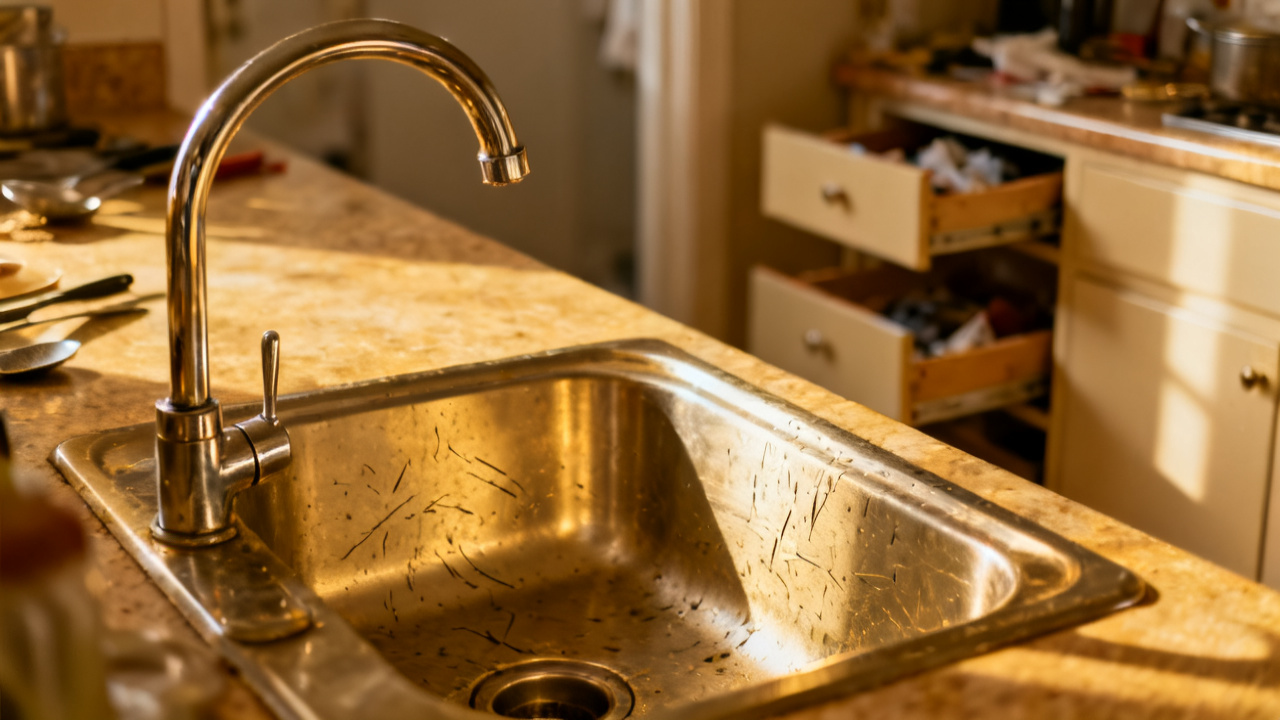
You can see a gray ring. You have not picked it out. You’re crouched on the cool linoleum of your apartment hallway outside the shared bathroom, the only light coming from the flickering overhead fixture that hums soft enough you barely notice it. The object you brought from your unit sits heavy in your left hand, still wrapped in the paper towel you grabbed to keep it clean en route. A faint, stale cooking oil scent hangs just above the drain cover, faint enough no one else would pick it up if they weren’t looking for it. You know this ring formed faster than usual last week, when the family down the hall hosted a taco night and dumped three full pans of leftover ground beef grease down the sink right before they left for a weekend trip. You noticed the first faint smudge two days ago, but waited until tonight when the hallway was empty so you wouldn’t be in anyone’s way while they got ready for bed.
Silicone Scraper Inspection
You flip the flat, flexible silicone scraper over in your hand, running a finger along the beveled edge to make sure there are no stray crumbs or dried soap stuck to it that would smudge the drain mouth instead of scraping it clean. You picked this scraper up at the dollar store last month specifically for this job, since it’s soft enough it won’t scratch the porcelain, and cheap enough you can toss it if it gets too caked with grease to clean fully. You don’t need anything sharp here, since the grease ring is soft, accumulated over three weeks of your building’s residents pouring cooled pan drippings down the sink even though the property manager posts reminders every month. You tilt your head to line the scraper edge up with the edge of the gray ring, making sure you don’t scratch the porcelain just above the drain opening, right at the Basin Lip. You test a tiny spot first, scraping a half-inch section of the ring to confirm it lifts easily without leaving any marks, and smile when the gray grease comes away in a soft clump, leaving bright white porcelain underneath.
Surface Wipe Action
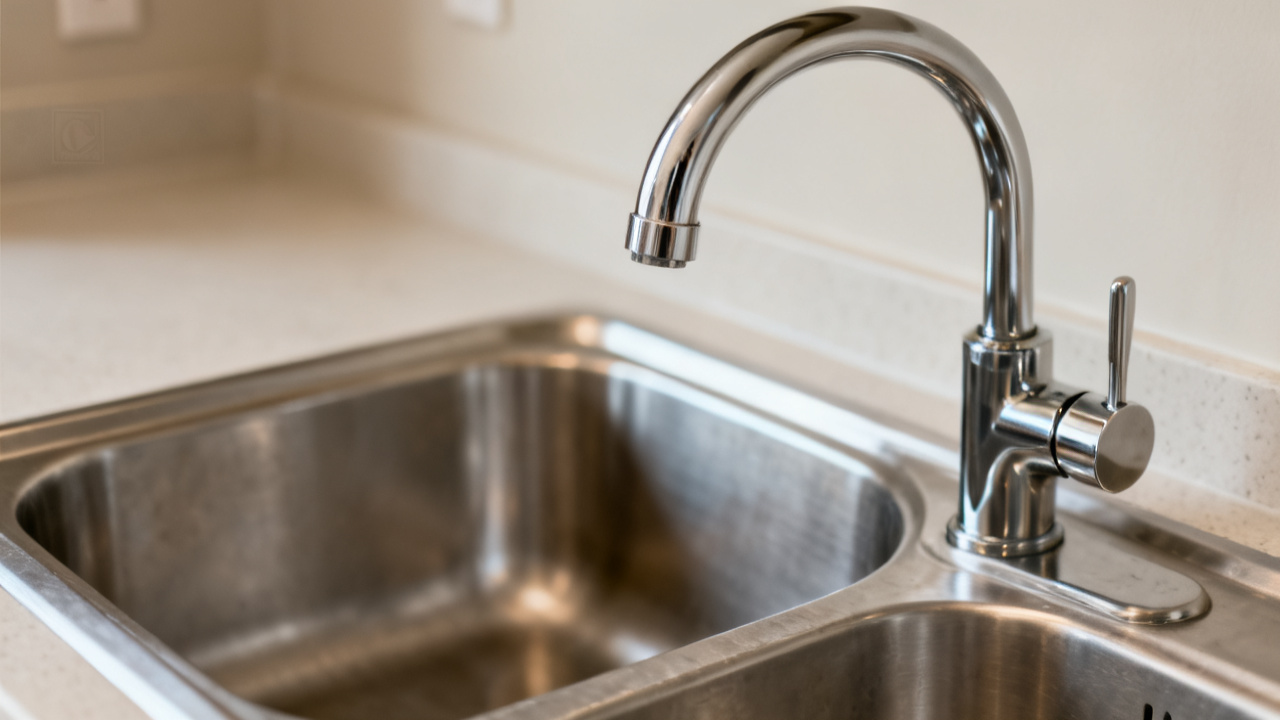
This part takes less than five minutes total, as long as you move slowly enough to avoid knocking grease down the drain. Follow these steps to clear the ring without making a mess:
- Hold the scraper at a 30-degree angle to the porcelain, applying just enough pressure to lift the grease without digging into the surface, and scrape the full circumference of the gray ring until all loose grease clumps gather in the center of the drain cover. If you hit a harder, more caked-on spot, wiggle the scraper back and forth gently to loosen it instead of pushing harder, which could crack the drain cover or scratch the porcelain.
- Scoop the clumped grease into the small biodegradable bag you tucked in your jeans pocket before you left your unit, making sure no small pieces fall into the drain opening itself where they can harden further down the pipe. Even a tiny clump the size of a dime can build up with other debris over time to cause a clog that would require a plumber to come out, so you take extra care to get every visible piece into the bag.
- Uncap the small spray bottle of diluted dish soap you brought along, spritz the full area where the ring was, and let the solution sit for 10 seconds to break down any remaining thin film of grease you missed with the scraper. You mix this solution yourself at home, one part dish soap to four parts warm water, so it’s strong enough to cut grease but mild enough it won’t damage the porcelain or leave any streaky residue behind.
- Wipe the area with the lint-free microfiber cloth you keep in your cleaning tote, making overlapping passes until no discoloration remains on the porcelain and the cloth comes away clean when you run it over the spot. You flip the cloth over halfway through to use a clean side, so you don’t just spread grease back over the area you just cleaned.
- Toss the used cloth section and the grease-filled bag into the shared bathroom trash can tucked under the sink, making sure the lid snaps closed fully to contain any lingering odors. You don’t leave the used cloth in your caddy, since it will start to smell if you don’t wash it right away, so you plan to toss it in your laundry when you get back to your unit.
Illustrative example: You might find that 2 full passes with the scraper are enough to lift 92% of the accumulated grease before you use the spray, depending on how many people have used the sink in the last three weeks. If you’ve had a lot of guests in the building, or if someone poured a large amount of very hot grease down the drain that spread further along the porcelain, you may need a third pass to get all the loose clumps before you move to the spray step. You don’t worry about getting every last micro-film of grease, since you know regular upkeep is more effective than one overly thorough session, and new grease will accumulate as soon as the next resident pours leftover bacon fat down the drain. There’s no way to prevent this entirely in a shared building, so you focus on keeping the buildup minimal enough that it never causes a clog or leaves a visible stain that would make the bathroom look unkempt.
Caddy Placement
You walk back out to the hallway, tucking your scraper, spray bottle, and extra cloths back into the small canvas caddy you keep by your front door for quick shared space jobs. The caddy is faded blue, with a small pocket on the side that holds your spare biodegradable bags and a mini permanent marker you use to write reminder notes for other residents when you need to. You prop the caddy on the small built-in shelf outside the bathroom door, right next to the stack of paper towels the property manager leaves for common use, so you can grab it quickly if you notice a new ring forming before your scheduled check. You double check that you didn’t leave any trash or small supplies on the bathroom counter, and that the drain cover is sitting flat and even so no one trips on it or knocks it loose when they use the sink. You also give the sink faucet a quick wipe with a clean paper towel to get rid of any water spots you notice while you’re there, since it only takes a second and makes the whole space feel a little cleaner for everyone else. You don’t mention to anyone that you do these small jobs, since you don’t want to be roped into being the unofficial building cleaner, but you like knowing you’re helping keep the shared spaces nice for everyone who lives on your floor.
Next Scheduled Drain Check
You mark your phone calendar for three weeks out from today, setting a quiet reminder that will pop up while you’re making dinner so you don’t forget to check the drain mouth again. You don’t set it for sooner, since you know the grease builds slowly enough that it won’t cause any clogs or visible discoloration before then, and you don’t want to waste time checking too frequently when you have other tasks to get to around your unit. If you happen to walk past the bathroom and see a new gray ring forming before that reminder pops up, you can grab your caddy and take care of it in two minutes flat, no extra prep needed, but you don’t stress if you miss it for a day or two. You also leave a small, handwritten note taped to the inside of the bathroom cabinet above the trash can, reminding other residents to pour cooled cooking grease into a sealed container and toss it in the trash instead of down the drain, but you don’t expect everyone to follow it, so you plan to keep up with your regular checks as needed. You know that even if only one or two people see the note and adjust their habits, it will slow the grease buildup enough that you can go an extra week between checks if you need to. When your reminder pops up next, you’ll follow the same exact steps, checking the scraper first before you start, clearing the ring, putting your caddy back in its spot, and scheduling the next check. You don’t mind doing this small job every few weeks, since it takes almost no time, prevents costly plumbing calls that would raise everyone’s rent, and makes the shared bathroom feel a little more welcoming for everyone who uses it. You lock your front door behind you, drop the used microfiber cloth in your laundry hamper, and pour yourself a glass of iced tea, satisfied you knocked the quick task off your to-do list before bed.