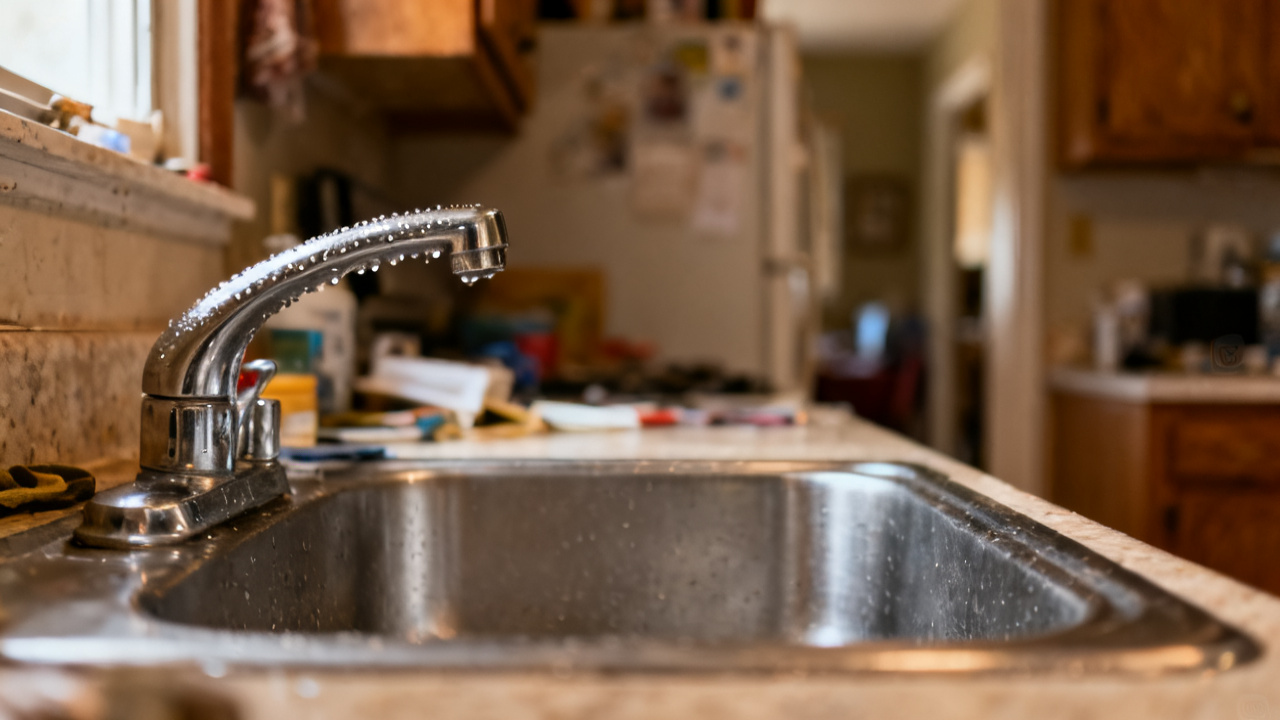
It was fine this morning. The sink is full now. You’re standing by the kitchen sink in your apartment building’s shared hallway utility nook, sudsy dishwater swirling sluggishly around the last of your cereal bowls you’d left to soak after work. You prod the drain grate with the tip of a rubber spatula, watching the water creep down half an inch over three whole minutes, no crumbs or big food chunks visible on the surface to blame. The tenant in 3B mentioned last week they’d noticed the same issue right after they washed their big pasta dinner, so you know it’s not just something you dumped down the drain causing the clog.
Available Fix Choices
You have two straightforward options to resolve the issue tonight, no need to drag the problem out until the end of the week. The first is to clear the clog yourself with the standard rubber plunger stored on the top shelf of the nearby utility closet, a 10-minute job that you can wrap up before you head back to your unit to stream your favorite show. The second is to submit a digital maintenance request through your building portal, but you’ll have to avoid using the sink for 24 to 48 hours while you wait for a technician to come out, and they typically use harsh chemical cleaners that leave a sharp, chemical smell lingering in the hallway for days after the job is done. You pick the first option almost immediately: you’ve got friends coming over for taco night tomorrow, and you need the sink to be fully functional to wash prep bowls and serving dishes as you go, no time to wait for a maintenance slot to open up. You know the clog is almost certainly soft food debris from all the tenants washing pasta, rice, and leftover vegetable scraps down the drain the past week, no hard objects like utensils or jewelry stuck deep in the line that would require professional tools to remove.
Plunger Technique for Soft Food Clogs
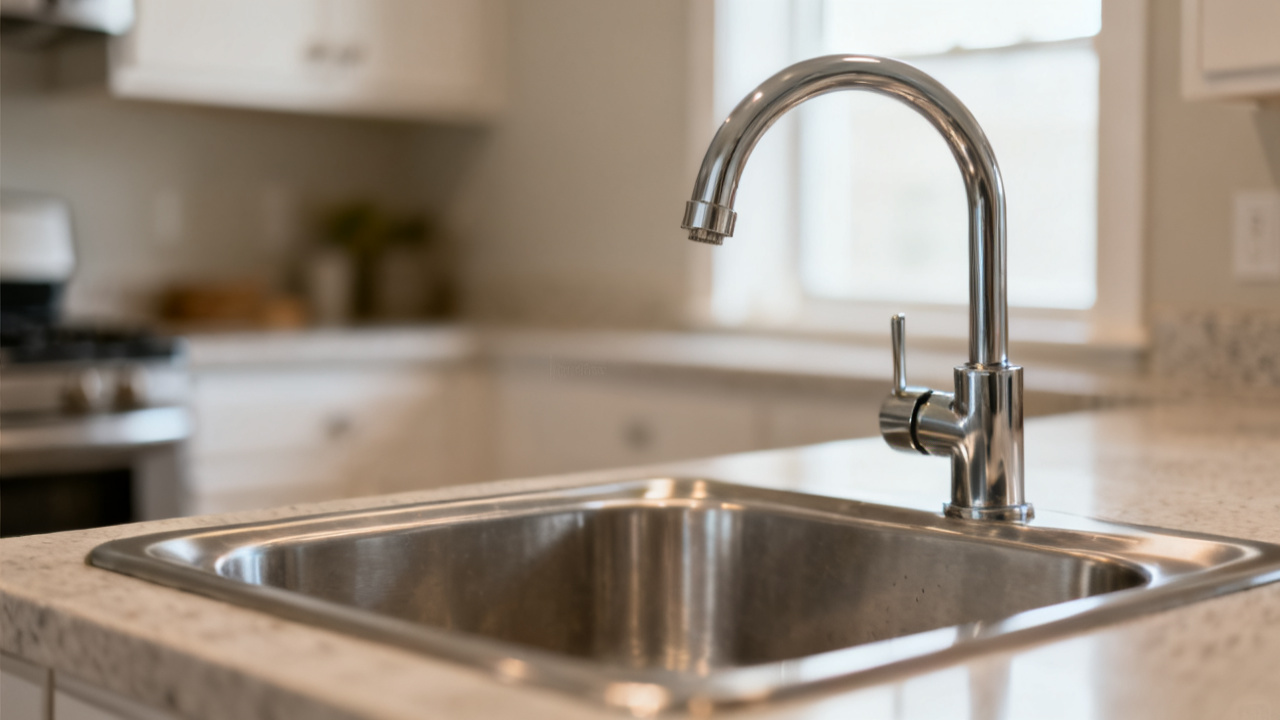
You grab the plunger from the utility closet, set it on the floor next to the sink, and follow these steps to clear the clog without making a mess all over the surrounding counter:
- First, clear all dishes out of the sink and set them on the drying rack to the left, then wipe any loose food scraps off the Basin Lip and toss them in the trash can under the sink to keep them from falling back into the drain as you work.
- Seal off the sink’s overflow vent on the back wall of the basin with a damp paper towel pressed firmly into the opening, so all the air pressure from the plunger goes directly down the drain instead of escaping through the vent to reduce force.
- Coat the bottom rim of the plunger cup with a thin layer of petroleum jelly you grab from your bag to create an airtight seal around the drain grate, then press the plunger down firmly over the grate until you can feel the suction catch against the drain opening.
- Push and pull the plunger handle up and down in short, firm strokes for 60 full seconds, keeping the cup fully sealed around the grate the entire time, no air leaking out around the edges.
- Lift the plunger off the grate and check if the water drains freely; if it does, run hot tap water for 3 full minutes to flush any remaining soft debris down the main sewer line.
Illustrative example: if you apply 12 firm strokes per 10 seconds, you’ll hit 72 total strokes in that 60 second window, enough to dislodge almost all soft food clogs stuck within the first 6 inches of the drain line. You work through the steps slowly, making sure you don’t push too hard on the plunger to avoid splashing sudsy water all over your shirt, and within 45 seconds you hear a soft gurgle from the drain before the water starts rushing down the line fast, no lingering slowdown even after you turn the hot water on full blast to flush the line. This fix will clear the current clog, but it may not prevent future clogs from forming if other tenants continue to dump starchy food scraps down the drain without scraping their plates first, so you know you need to leave a quick reminder for everyone who uses the nook to keep the same issue from popping up again next week.
Handwritten Reminder Note For Other Tenants
You grab a scrap of neon orange notebook paper and a thick black marker from your backpack, so the note is visible to anyone who walks up to the sink, no one misses it. You write in large, easy to read print: “Quick heads up! The sink drain was slow after dish use tonight, cleared it out a few minutes ago! Please scrape all food scraps (pasta, rice, vegetable peels, sauce solids, coffee grounds) into the trash before washing dishes to keep the drain clear for everyone. Thanks so much! :)” You don’t sign your name, so no one feels like you’re singling them out or telling them what to do, just a friendly anonymous reminder to keep the shared space functional for everyone who uses it. You tape the note to the wall right above the tap, so it’s the first thing people see when they walk up to the sink to wash their dishes. You also leave a small stack of disposable paper scrapers next to the trash can, so people have an easy tool to scrape their plates clean without having to use their hands or a sponge to get all the food off, reducing the chance they’ll just push the scraps down the drain to save time. You double check that the water is draining fully, no slowdown even when you fill the sink with a few inches of hot water and let it drain, then grab your clean dishes and head back to your unit, the job done for the night.
Next Time You Address Slow Drain Checks
Next time you notice the sink draining slow after heavy dish use, you’ll come prepared with a few extra supplies to make the job faster and more effective for everyone who uses the nook. You’ll bring a small, cheap plastic drain strainer to install over the grate before you start plunging, so you can catch any debris that pops up out of the drain as you work, instead of having to fish it out of the sudsy sink water after you’re done plunging. You’ll also bring a small bottle of all-purpose cleaning spray to wipe down the entire sink basin and surrounding counter after you’re done clearing the clog, so any gunk that splashes out while you work doesn’t leave a sticky residue on the counter for the next person to deal with. You’ll also drop off a small stack of extra paper scrapers every month, so there’s always one available for people to use when they’re washing their dishes, no need to go looking for one in their own unit. You’ll also check in with the other tenants on your floor to see if they’ve noticed any other slow drain issues in the other shared utility nooks on the other floors, so you can coordinate clearing all of them at the same time if needed, instead of waiting for each one to clog up completely before you address them. You don’t need to do any deep cleaning or extra work tonight, but keeping the shared space functional for everyone is a small task that takes less than 15 minutes total, and everyone in the building appreciates not having to deal with a backed up sink when they need to wash dishes after work.