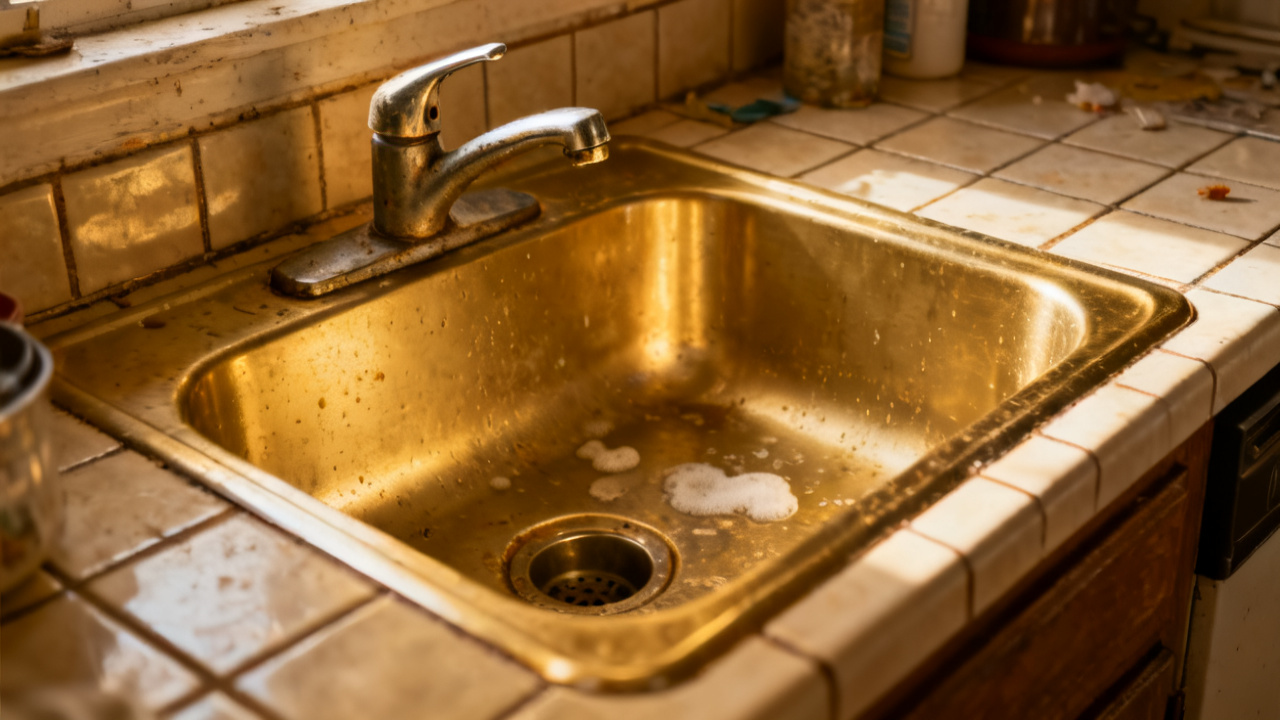
You are plunging. The other side rises.
You yank the plunger away from the drain, cold bathwater sloshing over your wrist as you stumble a half-step back, sneakers squelching on the damp linoleum of your apartment hallway bathroom. The thin metal divider between the two connected basins does nothing to stop the murky water from lapping at its edge, a stray glob of toothpaste and a crumpled flake of dried face wash floating across to the side you’d just wiped down ten minutes earlier before you noticed the drain was slow. You set the plunger down on the edge of the sink, one hand propped on the cool ceramic while you run through what you know about shared sink plumbing, grateful you’d watched a short maintenance clip last month when your landlord mentioned the building’s older pipe systems.
Backflow prevention first steps
Your first priority is stopping any more water from moving between the two basins or spilling onto the floor, before you do anything to address the clog itself. Reach under the sink and twist the hot and cold shutoff valves for both basins clockwise until they stop turning, so no one who wanders into the shared hallway bathroom accidentally turns on a faucet and sends more water spilling over the edge while you’re working. Stuff a folded paper towel into the drain of the side that’s rising, pressing it down firmly enough to create a loose seal that keeps water from pushing up through while you work, but not so tight you can’t yank it out in a second if you need to. Wipe any water that spilled onto the floor or the counter up with a cleaning rag first, so you don’t slip while you’re leaning over the sink to work on the clog, and set any nearby soap dispensers or toothbrush holders on the floor out of the splash zone so they don’t get covered in gunk. Illustrative example: A loose paper towel seal will hold back up to 3 inches of standing water for 12 minutes while you work, so you don’t have to rush through clearing the clog to avoid a mess.
Dual drain blockage clearing
Since the two basins share a single main drain line that sits just behind the wall below the sinks, the clog is almost certainly sitting past the point where the two individual drain lines connect, which is why plunging one side pushes water up the other instead of dislodging the blockage. You’ll want to use a small sink auger, not a larger toilet auger, so you don’t scratch the ceramic of the sink or damage the thin PVC pipes under the counter that are prone to cracking if you use too much force. Feed the end of the auger into the drain of the basin you were originally plunging, twisting the handle clockwise as you push it slowly down the line, until you feel a firm resistance that means you’ve hit the clog. Twist the auger three or four more times to hook into the clog, then pull it slowly back out, wiping off any gunk you bring up with a disposable paper towel you can toss straight in the trash so it doesn’t leave a mess on your counter. If the first pull doesn’t bring the full clog out, you can reinsert the auger and repeat the process two or three more times, but don’t push too hard if you feel resistance that doesn’t give, because you could damage the pipe deeper in the wall.
Common clog source reference table
If you can identify what the clog is made of when you pull it out, you can adjust your removal process to get the whole thing out on the first try, instead of having to reinsert the auger multiple times. If you notice small bits of rust or pipe material on the auger when you pull it out, you’ll want to alert your landlord to check the pipes for deterioration, as that can lead to more frequent clogs down the line.
| Clog source | Usual location in shared line | Quick removal tip |
|---|---|---|
| Hair and soap scum mixture | 6 to 12 inches past the dual drain connection | Pull straight out with auger hook, no extra twisting needed |
| Food waste from dish rinsing | 12 to 18 inches past the dual drain connection | Twist auger firmly to break up before pulling out, run hot water for 30 seconds after removal |
| Old pipe sediment buildup | 18+ inches past the dual drain connection | Use auger to scrape loose buildup from pipe walls, then flush with a baking soda and vinegar mixture for 10 minutes |
| Small foreign object (toothpaste cap, earring back, hair clip, etc.) | Any point along the shared line | Twist gently to hook the object, pull slowly to avoid pushing it further down the line where it is harder to reach |
Temporary seal for remaining slow flow
Once you’ve pulled the clog out, run hot water from both faucets for a minute to make sure the line is clear, but if you still notice slow drainage or a tiny bit of water rising in the opposite basin when you run the tap, you can use a temporary seal method for any future plunging you need to do before a plumber can inspect the lines. Press a rubber sink stopper firmly into the drain of the side you’re not plunging, then hold it down with one hand while you plunge the other side with your free hand, which directs all the pressure from the plunger down into the shared line instead of up the other drain, making your plunging far more effective. Wipe down the basin lip with a disinfectant wipe once you’re done working, to get rid of any residual gunk that splashed up during the process. This seal works for occasional plunging if the drain slows down again, but it is not a long-term fix for persistent clog issues. You can leave the rubber stopper under the sink with the auger so it’s easy to grab if you need it in a hurry.
Next monthly sink check routine
The next time you tackle this job, you’ll do it on a scheduled monthly check, before a full clog forms and pushes water up between the basins. Start by removing the drain strainers from both basins, wiping out any hair or soap scum that’s collected in the top of the drain before it can work its way down into the shared line. Pour a half cup of baking soda followed by a half cup of white vinegar down each drain, let it fizz for 10 minutes, then flush with boiling water to break up any small buildup before it turns into a full clog that requires an auger to remove. Test the flow of both drains at the same time, running hot water for 30 seconds each to make sure there’s no backflow between the two sides, and keep a small auger and pack of rubber stoppers under the sink so you don’t have to rummage through the hallway closet if you do notice a clog forming outside of your scheduled checks. You can also add a note to your phone calendar to remind you of the check, so you don’t put it off until you’re dealing with overflowing water at 10 p.m. on a weeknight when all the local plumbers are closed for the evening. If you share the bathroom with other apartment tenants, you can pass along a quick note asking them to avoid rinsing food scraps down the sink and to throw hair from shaving or hand washing in the trash instead of letting it wash down the drain, which can cut down on clog frequency significantly. You don’t have to take on full responsibility for the shared bathroom, but a quick 10-minute check each month saves everyone the hassle of dealing with standing water and messy overflow at inconvenient times.